
Last updated October 15, 2026
 Whole-home duct cleaning
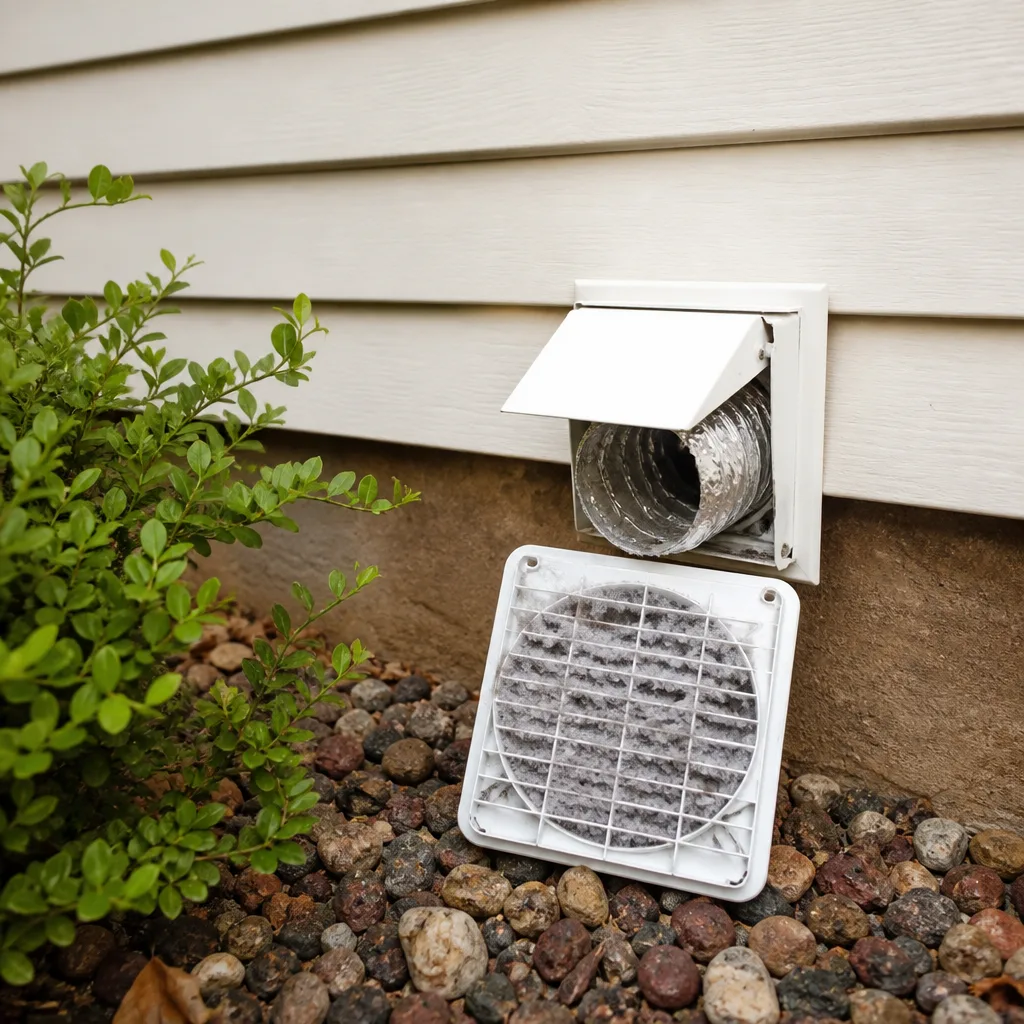 Dryer vent cleaning
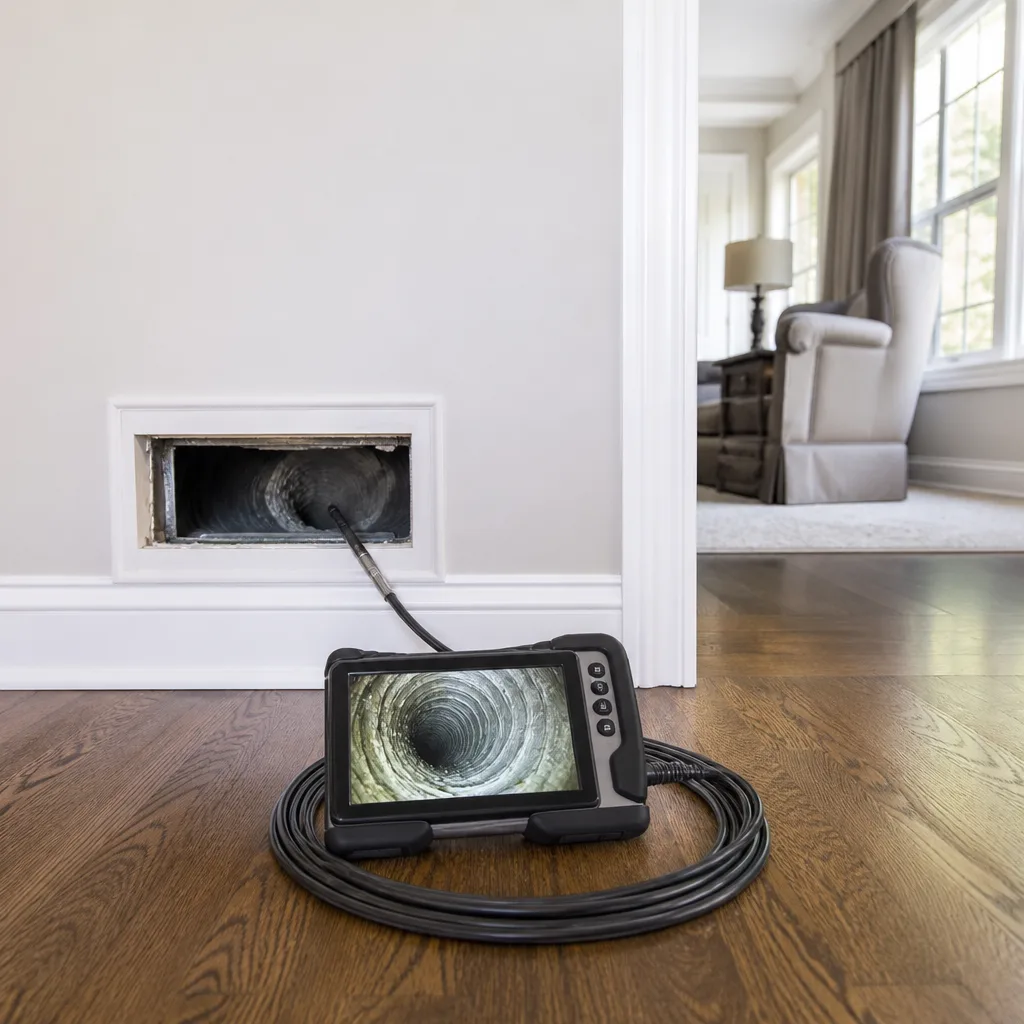 Camera inspection
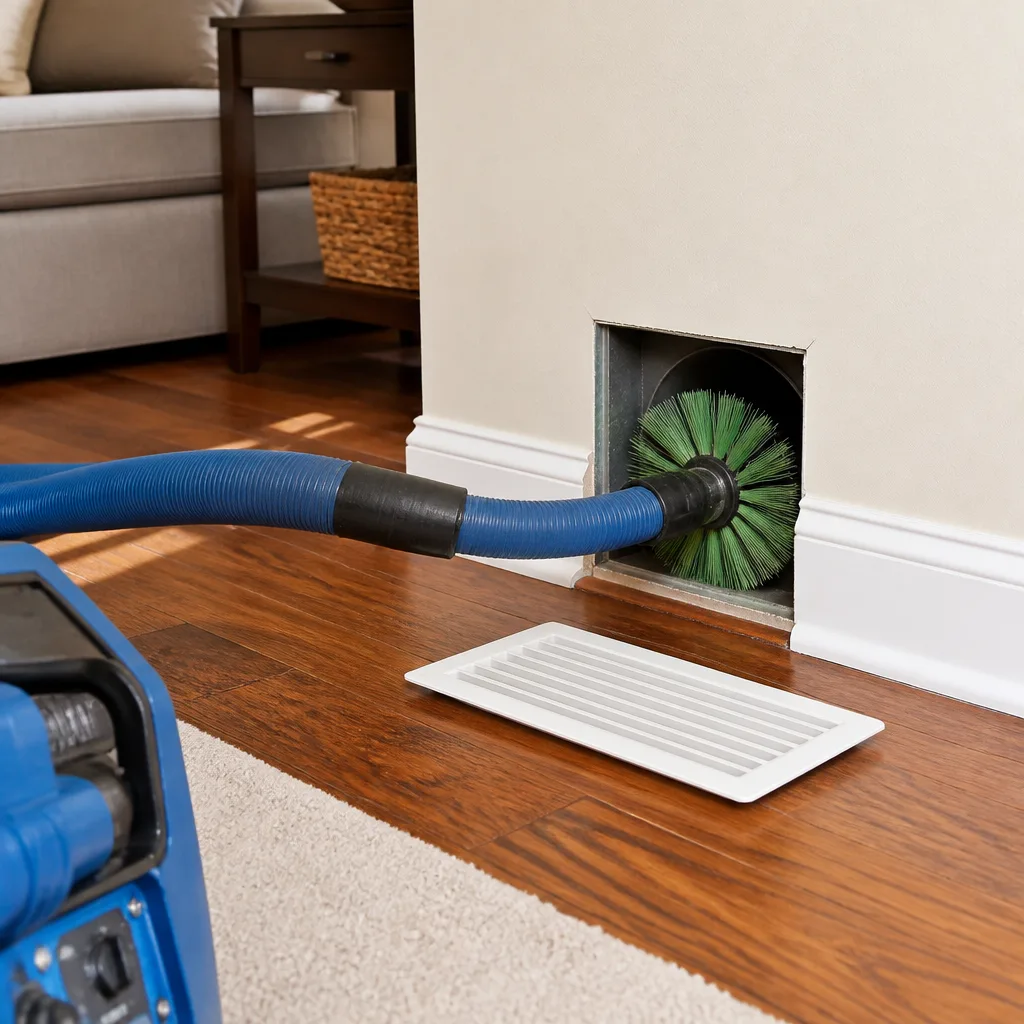 Sanitizing & deodorizing
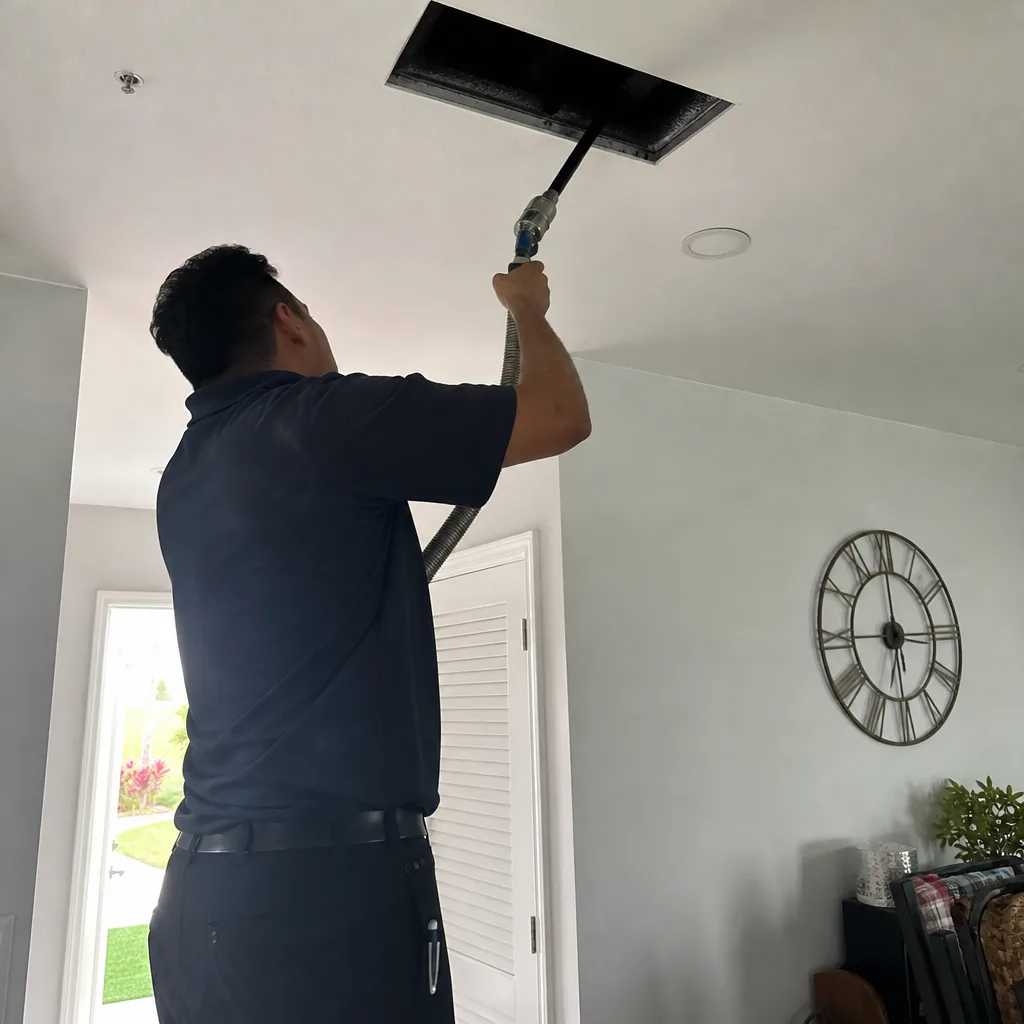
Whole-system duct and dryer vent check with before-and-after photos - you see exactly what came out of your vents
That "$99 whole-house special" is a bait ad - the real number appears once they are in your hallway, or the "clean" is a shop-vac at the register. We photograph the inside of your ducts before and after instead.
Air Duct Cleaning Warning Signs: A Fort Lauderdale Homeowner’s Reference Guide
If your air conditioner smells musty for just the first few minutes after startup and then clears, that’s not the system warming up. That’s a biofilm deposit inside the duct lining cycling through each time the blower starts. Most Fort Lauderdale homeowners have been told it’s normal for years. It isn’t. This guide walks through the early warning signs specific to our climate: the ones that get dismissed as ordinary Florida living until a duct system fails in ways that cost real money and affect real health. For a deeper dive, see The Complete Guide to Air Duct Cleaning in Fort Lauderdale. We’re going to cover what to look for, what it means, and when a trained eye is worth the call.
Quick Answer
The earliest reliable warning sign that your Fort Lauderdale home needs Air Duct Cleaning services is a musty or stale odor that appears only during the first few minutes of AC operation, followed by visible dust rings around supply registers and temperature differences between rooms that persist year-round. These three indicators together suggest biofilm, debris load, or a disconnected duct section, and they typically appear months before mold becomes visible or airflow fails outright.
Styles & brands we work with
Table of Contents
- The Startup Odor: Why ‘Just the First Few Minutes’ Matters
- Uneven Room Temperatures: Duct Issue or Refrigerant Problem?
- Dust Rings Around Supply Registers: A Velocity Problem
- Allergy Symptoms That Follow Your AC, Not the Season
- Pest Intrusion in Fort Lauderdale Ductwork: What It Actually Looks Like
- Common Mistakes to Avoid
- When to Call a Professional
- Frequently Asked Questions
The Startup Odor: Why ‘Just the First Few Minutes’ Matters
We hear this exact sentence from Fort Lauderdale homeowners at least once a week: “There’s a smell when the AC first kicks on, but it goes away after a few minutes, so I figured it was fine.” It’s not fine, and understanding why requires knowing what’s actually happening inside a duct system in our climate.
Fort Lauderdale’s ambient humidity hovers between 70 and 90 percent for most of the year. When your air conditioner cycles off, the interior surfaces of your ductwork don’t dry out. They stay damp. That damp environment is exactly what allows microbial growth, what the industry calls biofilm, to establish itself on the duct lining. Each time the blower starts, it pushes air across that biofilm, aerosolizing the compounds that produce the musty odor. Once the system runs for a few minutes and the air volume dilutes the concentration, the smell fades. The biofilm hasn’t gone anywhere. It’s still there, waiting for the next cycle.
This is why the intermittent startup odor is a more reliable early warning sign than a persistent smell. A persistent odor usually means the contamination has reached a point where it’s producing enough volatile compounds to overwhelm the airflow. The intermittent smell tells you the problem is still localized and manageable, which is exactly when you want to address it.
What You Can Check Yourself
- Time the smell. Note how long the odor lasts after the blower starts. Under 60 seconds suggests early-stage biofilm. Over three minutes suggests a more established deposit or a second source, like a dirty evaporator coil or a clogged condensate drain pan.
- Compare registers. Stand near different supply registers in different rooms. If the odor is stronger at one register than another, the contamination is likely in a specific duct branch, not the whole system.
- Check the filter. A heavily loaded filter can contribute to musty air. If your filter is clean and the smell persists, the source is downstream, which points to the ductwork itself.
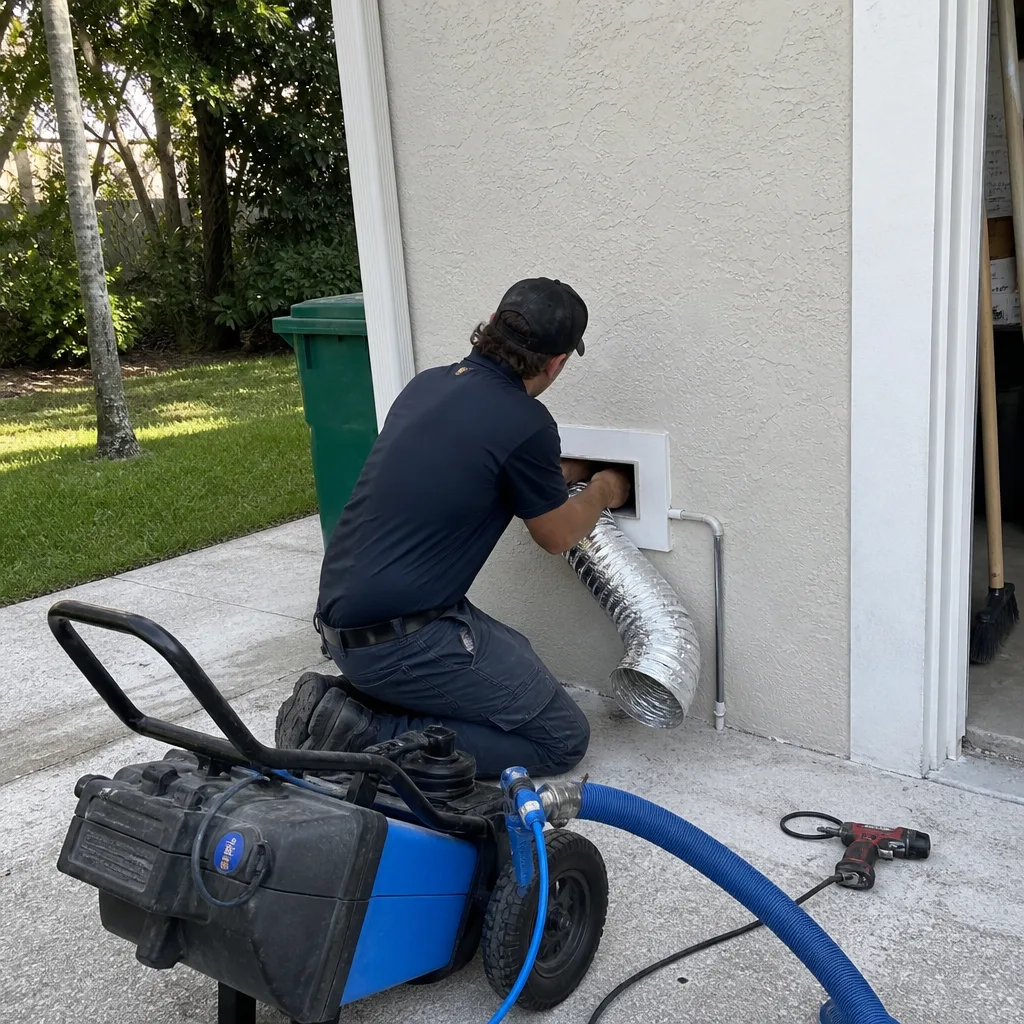
In our experience cleaning systems across Fort Lauderdale, from Victoria Park to Coral Ridge to neighborhoods west of 95, the startup odor is the single most common complaint that leads to a duct inspection. Most homeowners who call us for this issue find that the cleaning resolves the odor completely, because the source was the duct lining, not the mechanical equipment. And a professional-grade cleaning uses negative-pressure extraction, which means the system pulls air backward through the ducts while a rotary brush dislodges the biofilm, the same way you’d clean a pipe by scrubbing it while the water runs. We run Nikro negative-pressure units and Rotobrush rotary brush systems on every job because that combination removes the deposit rather than knocking it loose and hoping it lands somewhere harmless.
If you’re noticing a startup smell, the ductwork is communicating. The message is that something organic is growing where air should be moving cleanly. The longer it sits, the thicker the deposit gets, and the more expensive the remediation becomes.
Uneven Room Temperatures: Duct Issue or Refrigerant Problem?
Fort Lauderdale homes run air conditioning for roughly nine months of the year, and when one bedroom stays warm while the living room cools properly, most homeowners assume the AC unit is underperforming. That’s often wrong. The distinction matters because the fix is completely different: a refrigerant issue requires an HVAC tech with gauges, while a duct obstruction requires a duct inspection and, in many cases, a cleaning.
The Register-by-Register Airflow Test
You can distinguish between a refrigerant problem and a duct problem without calling anyone, using nothing more than your hand and about twenty minutes. Here’s the step-by-step:
- Set the thermostat to fan-only mode. This runs the blower without the compressor, meaning no cooling, just moving air. If you have a two-stage or variable-speed system, set it to the highest fan speed available.
- Walk to each supply register and feel the airflow with your hand. You’re not measuring temperature here, you’re measuring volume of air. A register that’s fed by a disconnected or collapsed duct section will produce noticeably less airflow than one that’s fully connected.
- Compare rooms on the same floor and the same side of the house. In a Fort Lauderdale home with a single AC system, registers in comparable rooms should feel similar. A 50 percent reduction at one register while others feel strong points to a duct restriction, not a refrigerant issue.
- Switch the thermostat to cooling mode and let the system run for 15 minutes. If the weak register is now producing cold air but still at low volume, that’s a duct problem. If airflow is steady everywhere but the air isn’t cold enough, that’s a refrigerant or compressor problem.
Why does this test work? Because a refrigerant system treats the whole house as a single load. It either cools the air or it doesn’t. Duct problems, by contrast, are almost always localized. A crushed flex duct in the attic, a disconnected collar at a branch takeoff, a register boot that’s separated from the duct, a duct section that’s collapsed from insulation debris. Each of these restricts air to one area, which is why the symptom is one warm room rather than a warm house.
Fort Lauderdale’s Attic Factor
Most single-family homes in Fort Lauderdale route their ductwork through the attic, where temperatures regularly exceed 130 degrees in the summer. That heat accelerates the deterioration of flex duct, which is the insulated, wire-reinforced tubing used in the majority of residential installations in South Florida. The outer vapor barrier cracks, the inner liner separates, and the duct sags or collapses. In some homes we’ve inspected, the ductwork had been in place since the original construction, and the flex sections were working at maybe 40 percent of their designed capacity.
The register-by-register test tells you whether you’re dealing with a localized restriction. If one room is warm and the airflow at that room’s register is weak on fan-only mode, the odds are high that the duct is to blame, not the AC unit, and a duct inspection will find the obstruction.
Dust Rings Around Supply Registers: A Velocity Problem
Walk through your home and look at the ceiling or wall around each supply register. Do you see a gray or brown ring of dust radiating outward from the register face? That ring is diagnostic, and in a Fort Lauderdale home it usually means one of three things.
The dust ring forms because the air exiting the register has changed speed or direction. In a properly sealed and balanced duct system, air leaves the register in a controlled pattern and carries fine particles with it down the vent face. When something upstream changes the air’s velocity or introduces more debris into the airstream, heavier particles drop out of the flow right at the register lip and deposit on the surrounding surface. The ring is essentially a sedimentation pattern.
Three Likely Causes in Fort Lauderdale Homes
- Insulation collapse. The interior liner of flex duct can separate from the insulation layer over years of thermal cycling in a South Florida attic. When that happens, fiberglass particles enter the airstream. Fiberglass is heavier than household dust and drops out quickly at the register, forming a dense, somewhat sticky ring that’s hard to wipe away.
- Debris load in the ducts. As dust, pet hair, skin cells, and general household particles accumulate inside the ducts, the effective diameter of the duct narrows. The same blower now pushes air through a smaller passage, which increases velocity. The higher-speed air picks up more debris, and the register face acts as a boundary where some of that debris falls out. The result is a visible ring that grows over time.
- A disconnected or separated duct section. When a duct collar separates at a branch takeoff or a register boot, the system draws attic air into the supply side through the gap. Attic air contains insulation particles, dust, and whatever else lives up there. That contaminated air gets pushed through the registers, and the heaviest particles settle right at the exit. A disconnected section often produces a ring that appears suddenly and grows quickly.
What the Ring Pattern Tells You
The shape and distribution of the rings can localize the problem. If every register in the home shows a dust ring, the issue is probably system-wide: insulation degradation or an accumulated debris load throughout the duct run. If only one or two registers show rings, suspect a localized issue like a separated collar near that branch. If the rings are dramatically worse in one room and that room is also warmer than the rest of the house, the likely culprit is a disconnected section feeding that specific register.
None of these conditions resolve on their own. The debris load increases, the insulation continues to shed, the gap stays open. The only fix is a professional inspection and cleaning that addresses the underlying condition, not just the visible dust. We clean duct systems in Fort Lauderdale with Rotobrush rotary brush systems that reach the duct wall and dislodge the material that’s accumulated there, paired with Nikro negative-pressure units that pull the loosened debris out of the system rather than blowing it into your living space. The cleaning addresses the debris, and the inspection identifies whether a separated section needs reconnection.
Allergy Symptoms That Follow Your AC, Not the Season
South Florida has a year-round allergen load. Pollen from oaks and pines in the spring, grass pollen through the summer, mold spores that never really go away. The result is that Fort Lauderdale homeowners often can’t tell whether their sneezing and congestion come from what’s outside or what’s inside the ducts. There’s a simple way to make that distinction, and it requires nothing more than a calendar and some attention to your own body.
The Calendar Comparison Test
- Track your symptoms for two weeks. Write down when you experience sneezing, congestion, watery eyes, or throat irritation. Note the time of day and whether you were at home or away.
- Overlay your AC usage. In Fort Lauderdale, the AC runs more during the day and less at night, but the pattern varies by household. Note when your system is actively cooling versus when it’s off or in fan mode.
- Look for correlation with runtime, not with weather. If your symptoms are worse when the AC is running, regardless of whether it’s hot or rainy outside, the ducts are a suspect. If your symptoms track with outdoor pollen counts or specific weather events, the source is more likely environmental.
- Test the away-from-home variable. If you notice symptom relief when you’re out of the house for extended periods, like a workday or a weekend away, that’s a strong indicator that something in the home environment, including the ductwork, is contributing.
Why Ducts Produce Respiratory Irritation
The air moving through a Fort Lauderdale duct system carries whatever has accumulated in the ductwork: dust mite debris, mold spores, fiberglass particles from deteriorating insulation, pet dander, and, in some homes, pest droppings. When the blower runs, these particles become airborne in the living space. The concentration is highest in the first few minutes of operation, which is why some homeowners notice symptoms that spike shortly after the AC kicks on and then subside.
This pattern, symptoms that follow the AC cycle rather than the weather, is one of the strongest indicators that a duct cleaning would produce real benefit. The cleaning removes the particle reservoir, and the symptom relief often follows within days. We’ve had Fort Lauderdale customers describe the difference as waking up with clear sinuses for the first time in months. The ductwork wasn’t the only source of allergens in the home, but it was the one that was actively distributing them through every room, every time the blower started.
Pest Intrusion in Fort Lauderdale Ductwork: What It Actually Looks Like
Fort Lauderdale’s climate supports an active population of insects and small animals, and ductwork offers them everything they need: shelter from the heat, darkness, and a steady supply of moving air. Most pest intrusion goes unnoticed for months because homeowners don’t know what to look for, and the average home inspector isn’t opening duct sections during a standard inspection.
Three Signs of Pest Intrusion Versus Normal Florida Dust
- Droppings at the register or in the filter. This is the clearest indicator and the one most likely to be overlooked. Duct systems draw air from the return side and push it through the supply side. If an animal has been living or traveling through a duct section, droppings will collect at the lowest point in the run and eventually work their way toward the register or become trapped in the filter. Look for small, dark pellets at the register face or a concentration of dark specks on the return filter. Normal dust is gray and uniform. Droppings are distinct, shaped, and localized.
- Gnaw marks or tears on flex duct. Rats and mice in Fort Lauderdale attics chew through flex duct insulation and sometimes the inner liner itself. At the register, you might notice a sudden decrease in airflow to one room, because the duct now has a hole that leaks conditioned air into the attic rather than delivering it to the register. In an attic inspection, the evidence is unmistakable: sections of duct with irregular openings, often accompanied by nesting material nearby.
- Dead insect accumulation inside the ducts. This one is subtle. Insects that enter ductwork through gaps in the system often die inside and their bodies accumulate over time. When we open a duct section in a Fort Lauderdale home that hasn’t been cleaned in a decade, the amount of insect material is sometimes measured in cups, not specks. The insects attract secondary pests like carpet beetles, which feed on the organic material. If you see small beetle-like insects near your registers, the duct interior may be the food source.
A note on distinguishing the two: normal Florida dust, even in a home with the windows open and pets indoors, is fine and uniformly distributed. It’s gray, it’s light, and it responds to regular cleaning at the register face. Pest evidence is heavier, darker, and localized to specific ducts or registers. It also has an odor. If you’ve been noticing a smell at one register that’s different from the others, something is different inside that duct run.
Pest intrusion is one of the few situations where we recommend addressing the ducts without delay. Animal droppings in an HVAC system are a respiratory hazard, not a cosmetic issue. The cleaning removes the material and the system can be sealed to prevent recurrence. We’ve worked on enough Fort Lauderdale homes to know that a duct system without pest screens on the exterior vents is an open invitation, and we always check for that during our inspections.
Common Mistakes to Avoid
- Assuming the startup smell is “just Florida humidity.” Humidity is a condition of the climate, not a smell. A musty odor on startup is biological material in the ducts, not ambient moisture. Dismissing it means the deposit grows, and the cleaning, when it eventually happens, is more involved.
- Changing the air filter and expecting the duct problem to resolve. The filter protects the equipment, not the ductwork. A clogged filter can restrict airflow and cause its own set of problems, but it does nothing to remove debris that’s already accumulated inside the duct runs. If the smell persists after a filter change, the ducts are the next place to look.
- Using a box-store shop vac or a handyman’s “duct cleaning” service. A standard shop vac doesn’t generate enough airflow to reach the duct wall, and the brush attachments sold at hardware stores can’t dislodge material that’s been adhered to the lining for years. Professional duct cleaning in Fort Lauderdale uses negative-pressure systems that pull air through the entire duct run while a rotary brush, like a Rotobrush, scrubs the duct wall. The difference in results is the difference between removing the debris and just rearranging it.
- Assuming one warm room means the AC needs refrigerant. A low refrigerant charge affects the whole system. One warm room with weak airflow points to a duct restriction. Calling an HVAC tech for refrigerant when the problem is a collapsed flex section means paying for a diagnosis that doesn’t address the actual issue.
- Ignoring the dust rings. The rings around your registers are doing more than creating an eyesore. They’re documenting that the duct velocity has changed and that heavier particles are falling out of the airstream at the register. That’s a mechanical signal, not a housekeeping issue, and it’s one of the most consistently reliable predictors that a duct cleaning is overdue.
- Delaying a pest-intrusion inspection because you “haven’t seen a rat.” The animals that live in Fort Lauderdale attics are nocturnal and cautious. You may never see one. The evidence in the ducts is what you’ll find instead, and that evidence accumulates whether or not you catch the animal responsible.
When to Call a Professional
Call a professional when the signs have moved beyond what you can verify on your own. A startup odor that persists for more than a few minutes, a dust ring that returns within days of wiping it away, a room that stays warm despite strong airflow at the register, a pest smell at one register that doesn’t fade. In any of these situations, the problem is inside the ductwork, and resolving it requires the equipment to reach what you can’t see.
Kestrel Air Duct Fort Lauderdale offers free estimates in Fort Lauderdale, and our technicians are background-checked and uniformed. We use Rotobrush rotary brush systems to dislodge debris at the duct wall and Nikro negative-pressure units to pull the loosened material out of your home, not into it. Every job operates under the Kingswell Guarantee, which puts the price in writing before work begins and includes a written 365-Day Done Right Promise. If the work falls short within the guarantee period, we return and make it right at no charge. Call (754) 354-9798 to schedule an estimate.
Frequently Asked Questions
In the Fort Lauderdale market, most single-family homes fall between $350 and $600 for a complete air duct cleaning, with larger homes or severely contaminated systems running higher. At Kestrel Air Duct Fort Lauderdale, the price is set in writing before any work begins, under the Kingswell Guarantee, and the number in your hands is the number you pay, no revisions at the door. Call (754) 354-9798 for a free estimate specific to your home.
Companies that quote $99 or $149 for a whole-house duct cleaning are usually using a bait price to get a technician in the door, after which the invoice grows with per-vent charges, sanitizer add-ons, and fabricated findings. A legitimate duct cleaning in Fort Lauderdale requires professional equipment, a trained technician, and enough time to do the job properly, which has a real cost. Kestrel quotes one flat price per system, in writing, before the work starts, and we honor that price, no matter what we find inside the ducts.
You’ll see before-and-after photos of your own ductwork, taken from inside the system at the start and completion of the job. Any company can hand over a generic brochure. We show you the duct interior, including the sections that were worst before we started, so you can see the difference. That’s what professional-grade equipment makes possible: Rotobrush rotary brush systems that actually reach the duct wall, and Nikro negative-pressure units that pull the debris out of the system entirely.
Most Fort Lauderdale homes benefit from a professional duct cleaning every 3 to 5 years, though homes with pets, smokers, recent renovation work, or pest problems may need service more frequently. Our climate’s humidity means microbial growth accumulates faster here than in drier regions, and the AC runs long hours for much of the year, which increases the total volume of air, and debris, moving through the system. A visual inspection is the most reliable way to know whether your ducts are due.
Yes. When allergens accumulate in the ductwork, they become part of the air stream every time the blower runs, effectively turning the ducts into a distribution system for the particles that trigger your symptoms. If your symptoms track with AC runtime rather than outdoor pollen counts, the ducts are a likely contributor, and a cleaning removes the reservoir. Many Fort Lauderdale homeowners report noticeable relief within days of a thorough cleaning.
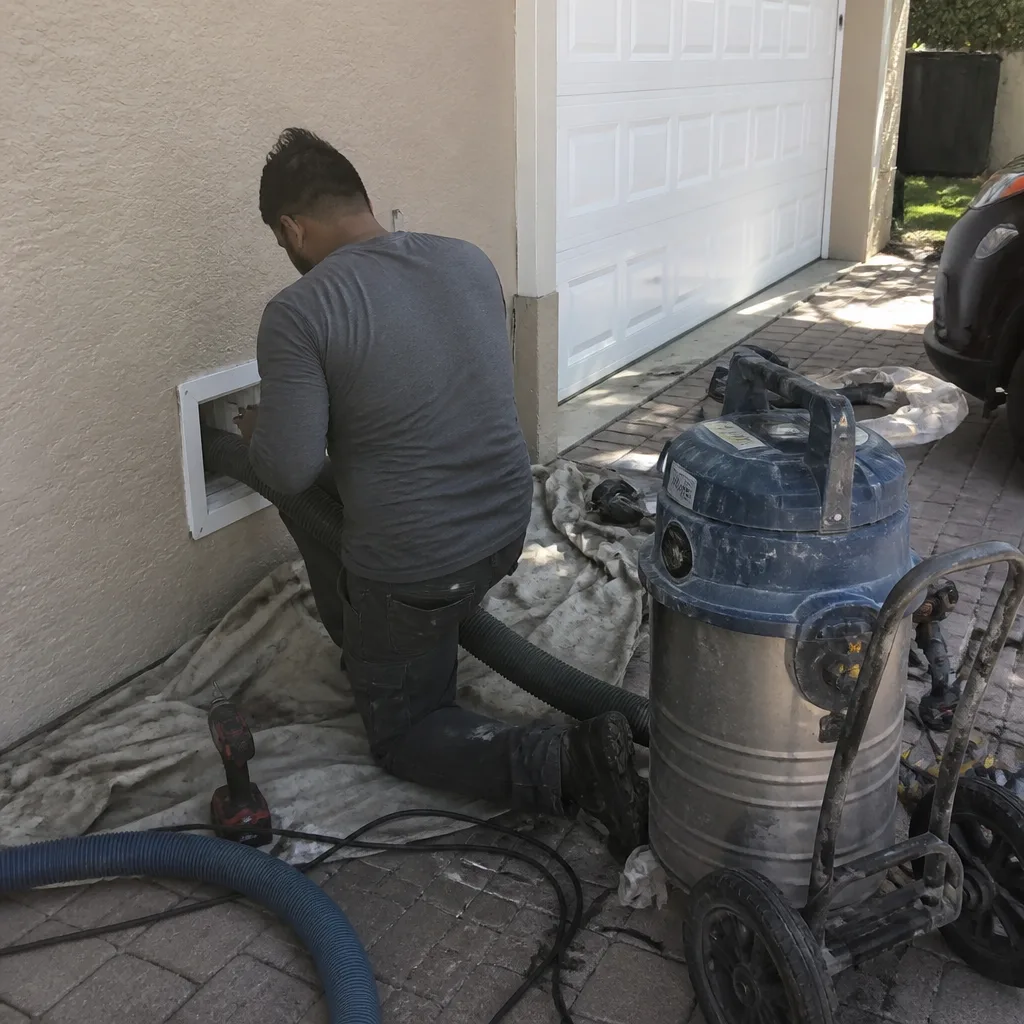
Air duct cleaning addresses the HVAC ductwork that distributes conditioned air through your home, while Dryer Vent Cleaning in Fort Lauderdale removes the lint accumulation from the exhaust duct that runs from your dryer to the outdoors. They’re separate systems with separate problems, though both benefit from professional attention. Lint buildup is a fire hazard that requires its own specialized cleaning, and we recommend addressing both systems rather than assuming one service covers the other. For the full scope of our services, visit the Kestrel Air Duct Fort Lauderdale home page or explore our Air Duct Cleaning in Fort Lauderdale service page.
The Bottom Line
The warning signs that matter in Fort Lauderdale are the ones that get dismissed: the startup smell, the dust rings, the one warm room, the allergies that follow your AC, the pest evidence you’d rather not think about. Each of these is an early indicator that your duct system is carrying a load it shouldn’t. The good news is that addressing a duct system in the early stages is straightforward, and a professional cleaning with the right equipment removes what’s accumulated and restores clean airflow. Kestrel Air Duct Fort Lauderdale has been serving this community since 2004, and every job runs under the Kingswell Guarantee: a written price before work begins, a defined arrival window, a clean job site, and a written guarantee on the work. If you’ve noticed any of the signs in this guide, call (754) 354-9798 for a free estimate. The worst thing any homeowner can do is wait until the smell doesn’t go away.
Written by Dale Whitmore, Owner at Kestrel Air Duct Fort Lauderdale, serving Fort Lauderdale since 2004. For more guides & resources, visit our blog.
See the difference
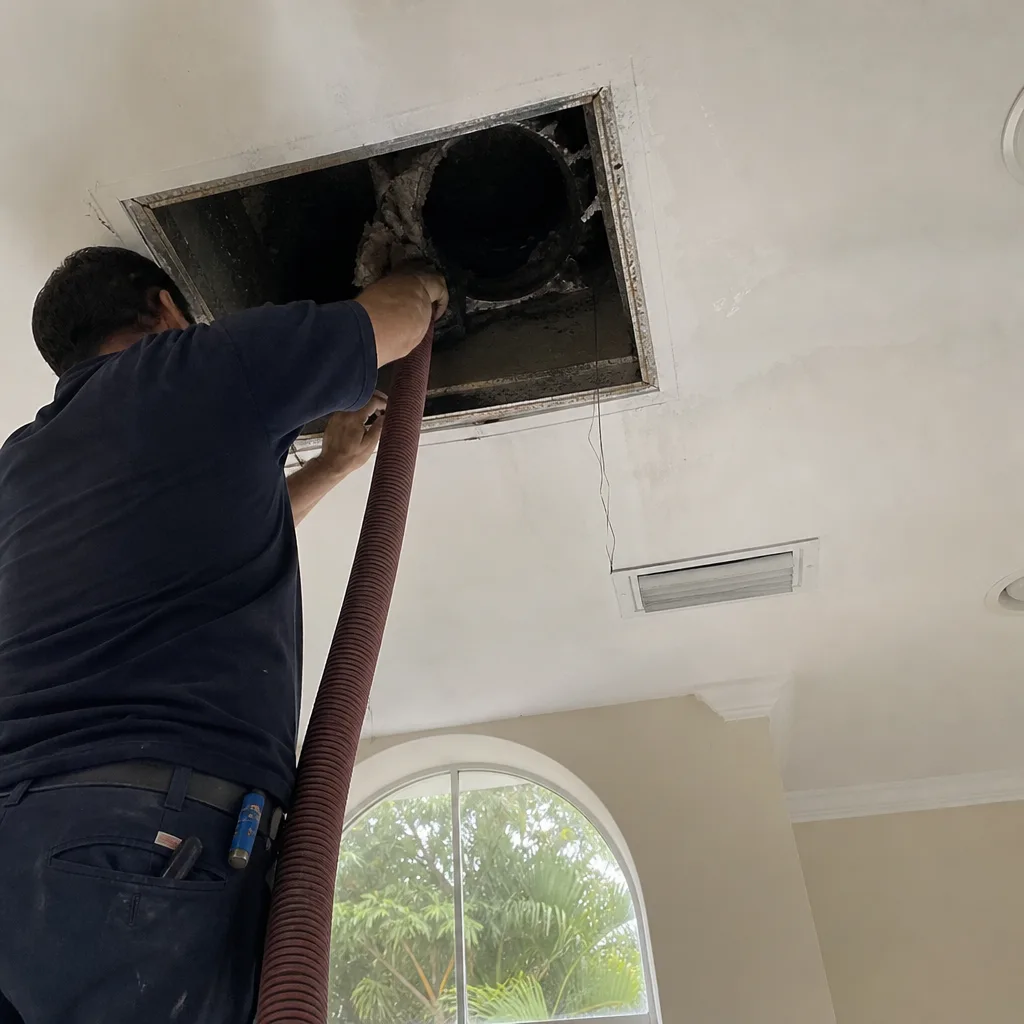 Before
 After
After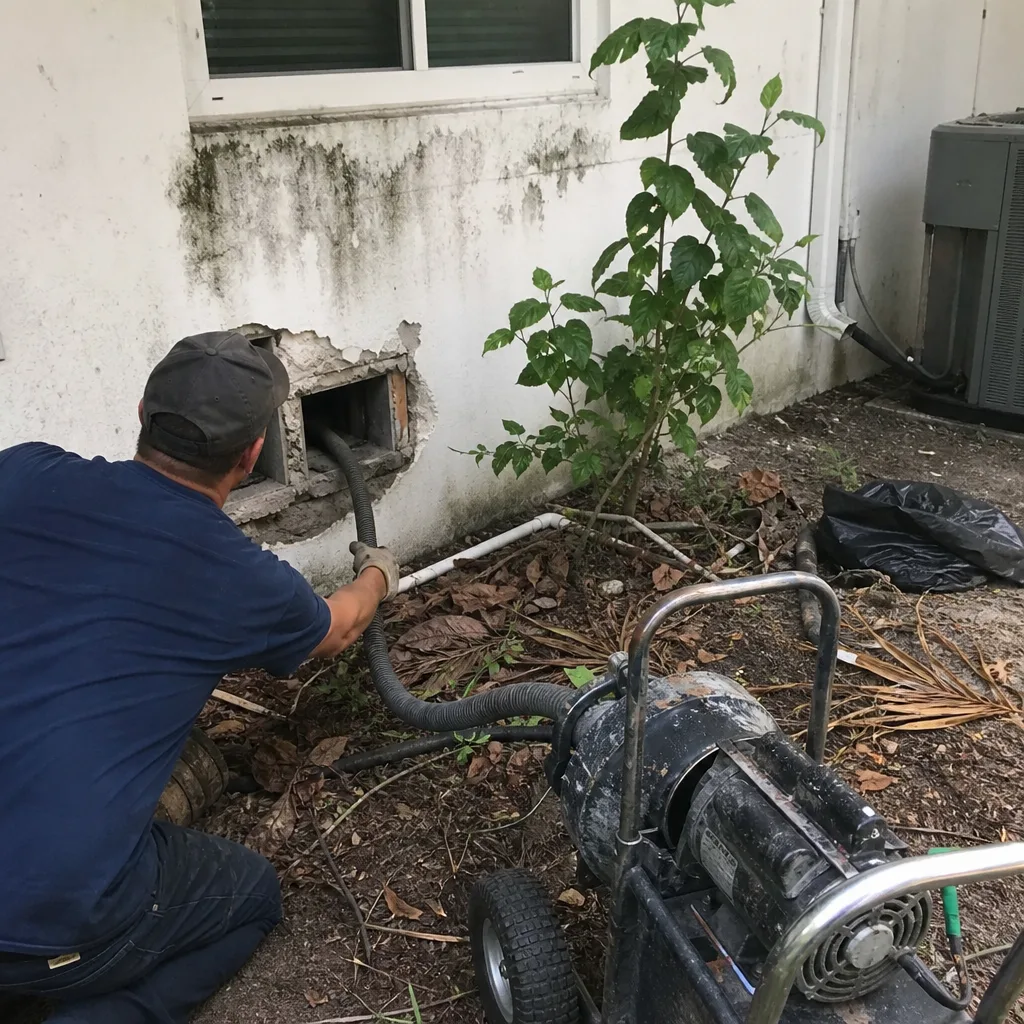 Before
 After
After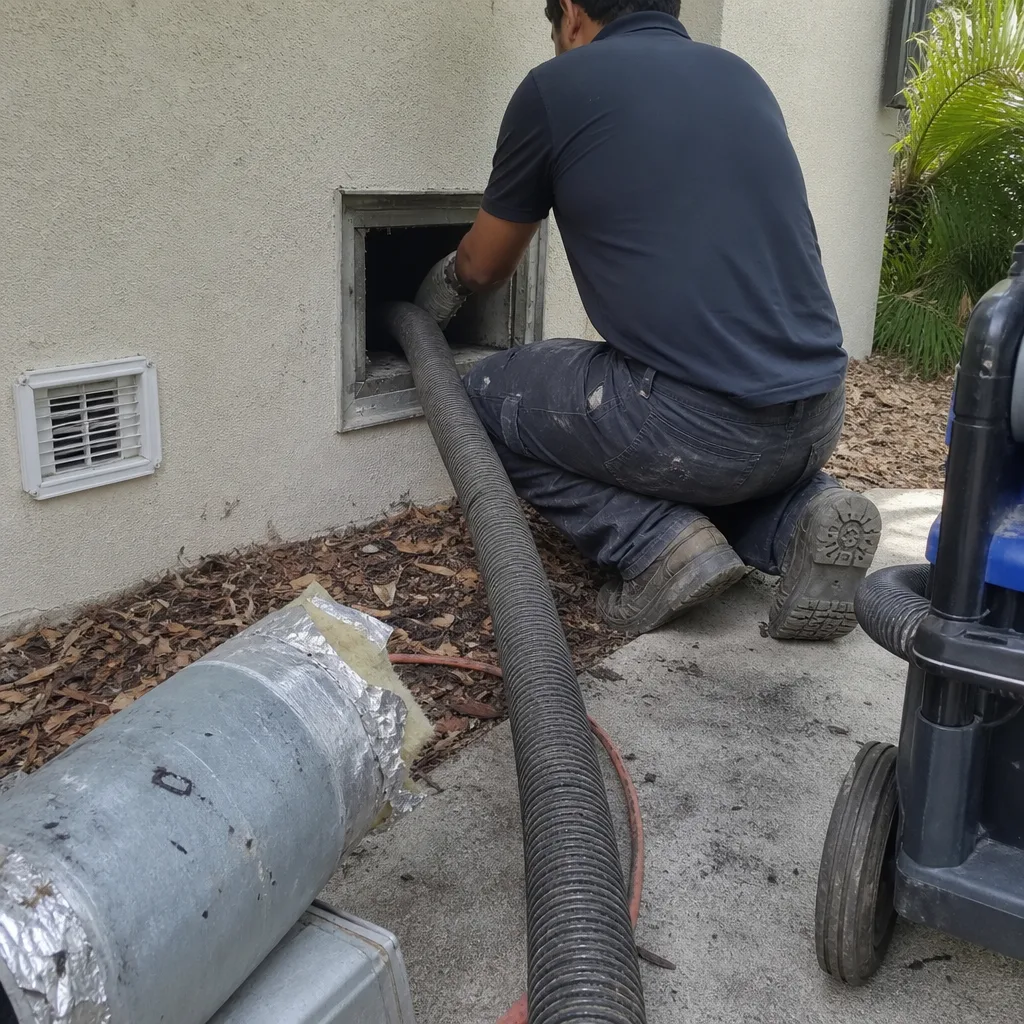 Before
 After
After