
Last updated October 15, 2026
 Whole-home duct cleaning
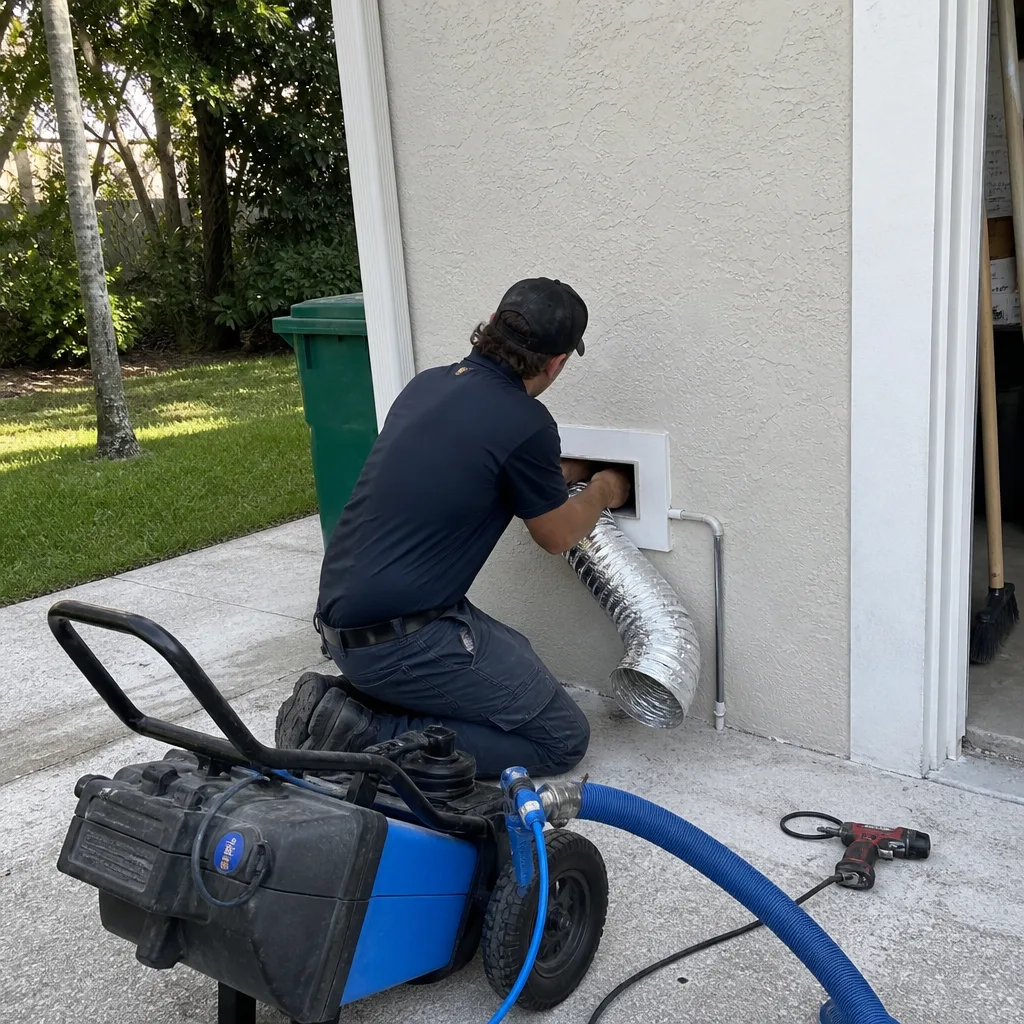
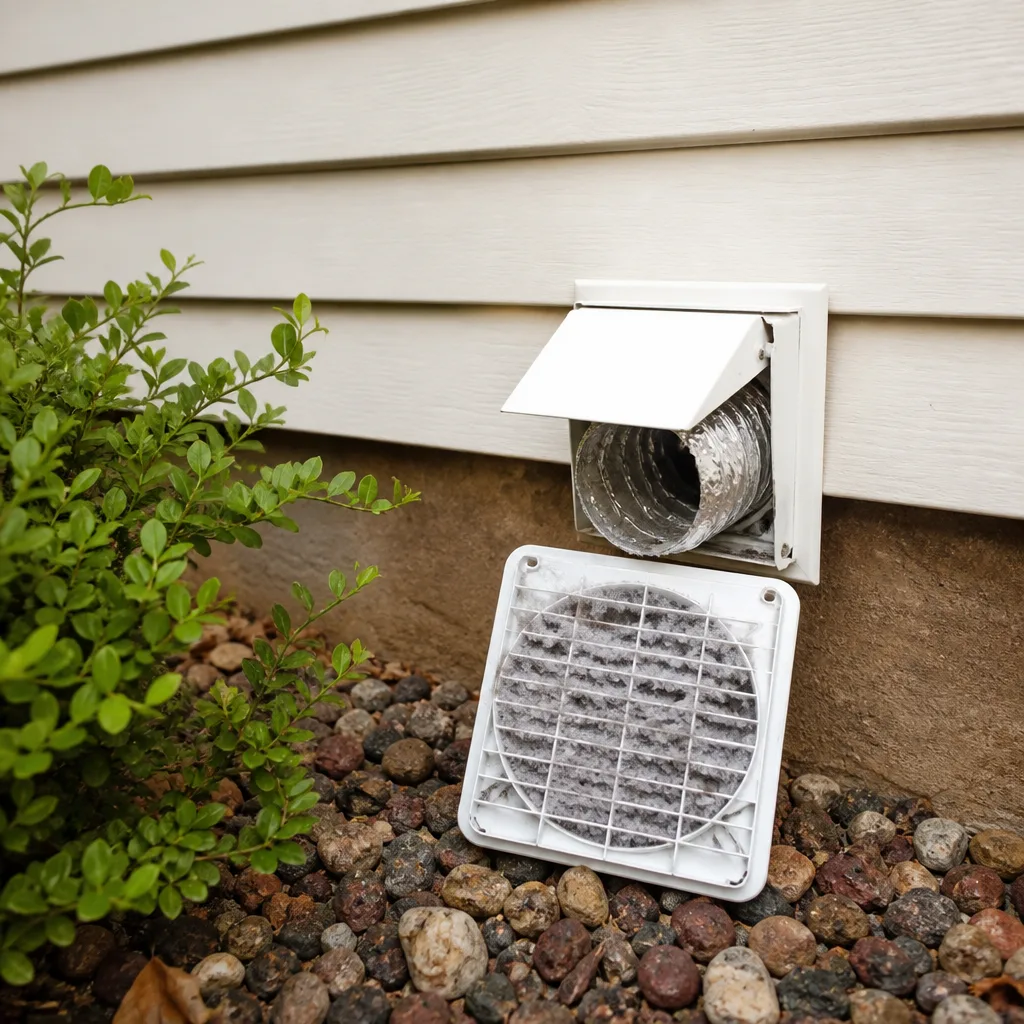 Dryer vent cleaning
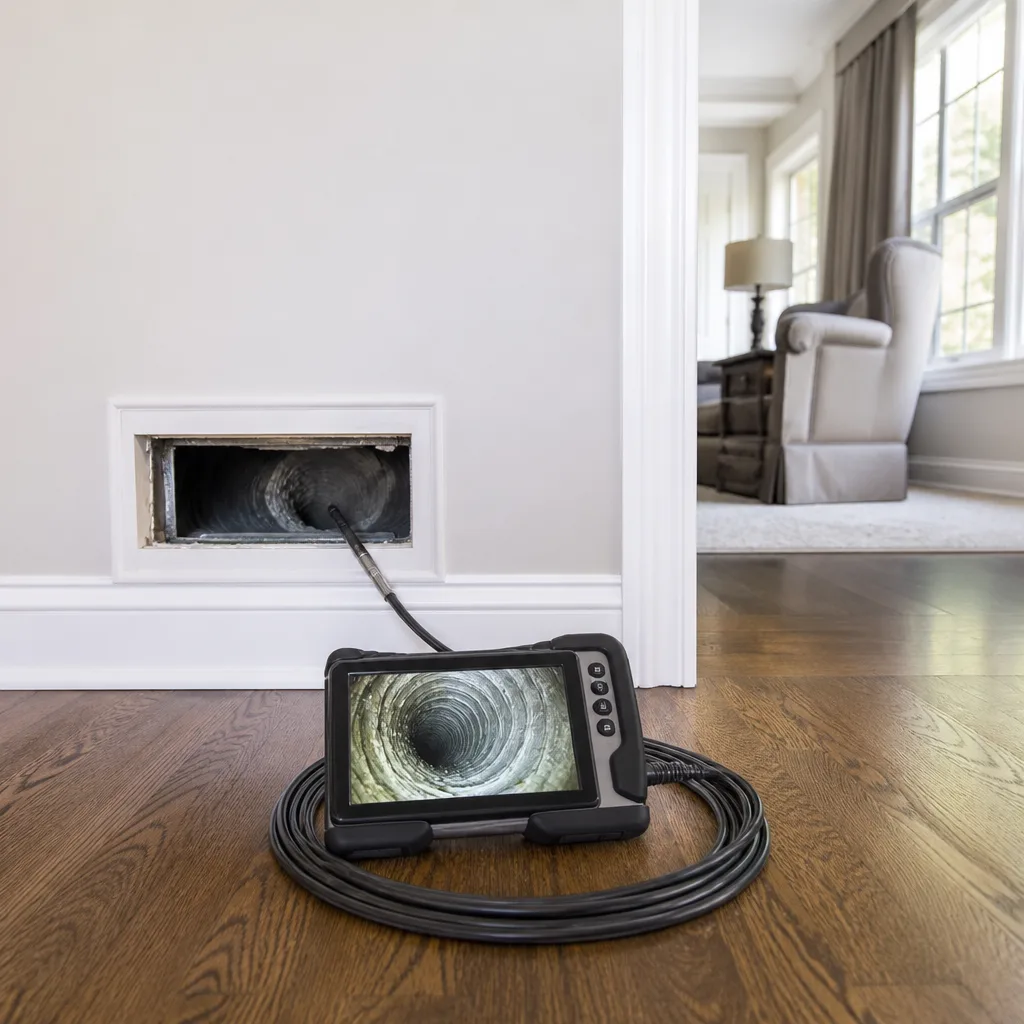 Camera inspection
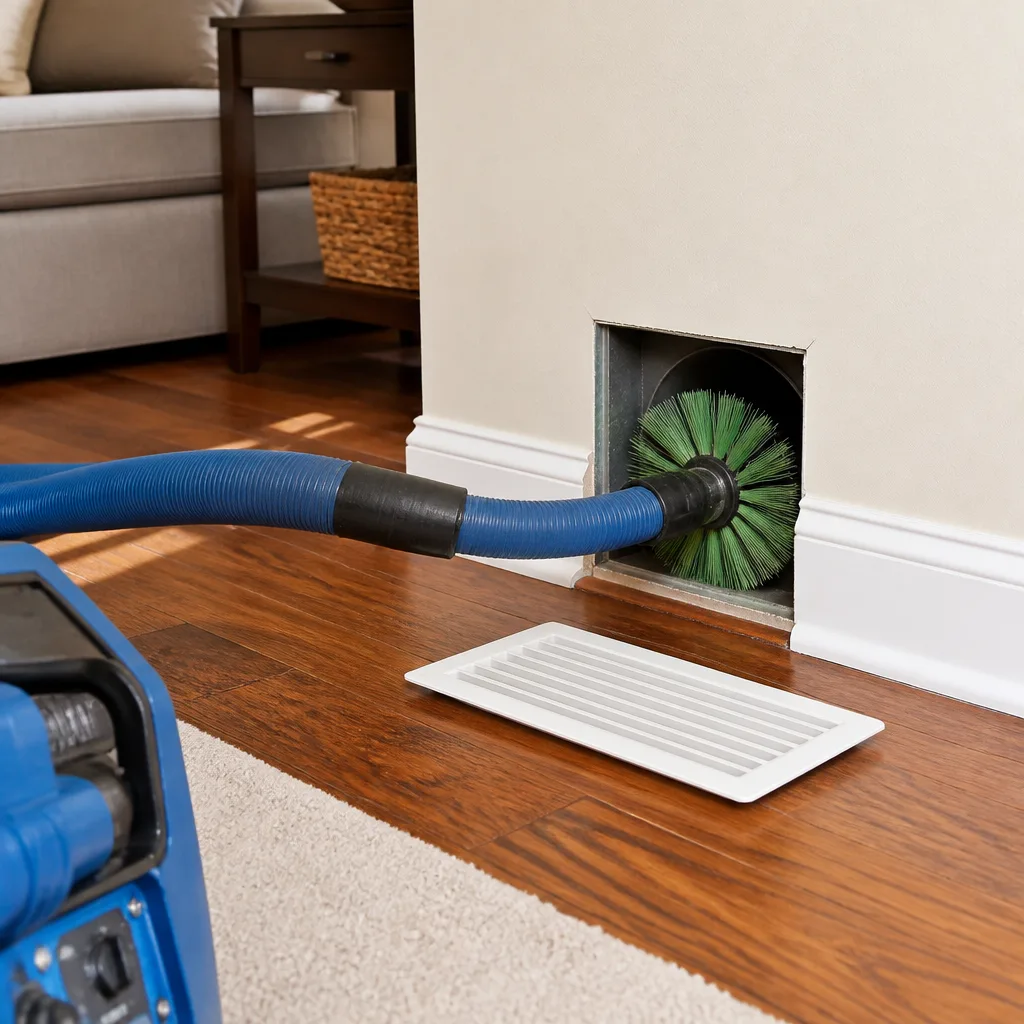 Sanitizing & deodorizing
Whole-system duct and dryer vent check with before-and-after photos - you see exactly what came out of your vents
That "$99 whole-house special" is a bait ad - the real number appears once they are in your hallway, or the "clean" is a shop-vac at the register. We photograph the inside of your ducts before and after instead.
Air Duct Cleaning Permits, Codes & Inspections in FL: What You Need to Know
A Fort Lauderdale homeowner hired a duct cleaning company after a mold scare. The technician found moisture-stained flex duct in the attic and said it “had to go.” He replaced it on the spot for $1,800. No permit. No licensed contractor. The cleaning itself was fine. The replacement failed the buyer’s inspection when the house sold two years later, and the homeowner ate the cost of doing it right. Here’s the thing: The Complete Guide to Air Duct Cleaning in Fort Lauderdale explains that cleaning itself doesn’t require a permit anywhere in Florida, but the moment duct sections are disconnected, replaced, or modified, the job crosses into licensed HVAC territory. This guide draws that line in plain language so you know exactly when a cleaning company has the right to touch your system, and when they don’t.
Styles & brands we work with
Quick Answer
Air duct cleaning itself requires no permit, no state license, and no municipal inspection anywhere in Florida, including Fort Lauderdale. But the second a technician replaces flex duct, modifies duct runs, installs UV equipment, or alters your air handler, the work falls under Florida Statute 489 and requires a licensed mechanical or air conditioning contractor, with permits pulled through Broward County or the City of Fort Lauderdale. Cleaning is unregulated; modification is not.
Table of Contents
- Florida Statute 489: The Legal Line Between Cleaning and Contracting
- Permit Thresholds in Broward County and Fort Lauderdale: Plain Numbers
- Why Unpermitted Duct Work Becomes Your Problem, Not Theirs
- What a Legitimate Duct Cleaning Company Should Do When They Find Damage
- How to Check Permit History on Your Fort Lauderdale Property
- A 10-Point Checklist: Cleaning Job or Contractor Job?
- Common Mistakes to Avoid
- When to Call a Professional
- Frequently Asked Questions
- The Bottom Line
Florida Statute 489: The Legal Line Between Cleaning and Contracting
Florida Statute 489 governs who can perform contracting work in the state. It defines an “air conditioning contractor” as someone licensed to install, maintain, repair, alter, extend, or design air conditioning systems. That includes ductwork. The statute doesn’t mention cleaning at all, which is why duct cleaning companies in Florida operate without a state HVAC license: they’re not performing contracting work. They’re removing debris from existing ducts.
But the line isn’t vague. It’s actually quite specific. A technician using a rotary brush to agitate dust on the interior of a duct wall is cleaning. A technician who cuts out a section of flex duct and attaches a new piece is installing. A technician who seals a duct joint with mastic is performing a repair that Florida considers contracting. A technician who mounts an ultraviolet lamp inside the plenum is modifying the system.
Here are the specific activities that push a job into licensed contractor territory under Florida Statute 489:
- Replacing any length of flex duct or rigid duct. Even a three-foot section. Even if it “just needs a patch.”
- Modifying duct runs. Rerouting, adding a return, changing the size of a trunk line.
- Installing UV lights, electronic air cleaners, or any device wired into the system. If the device connects to electrical power and modifies air handler function, it’s contracting.
- Repairing or replacing the air handler, evaporator coil, blower motor, or condensate pan. Any component inside the air handler is contractor territory.
- Sealing ducts that require opening the system. A cleaning that includes external duct sealing is fine; opening duct sections to seal from the inside is not.
In our experience in Fort Lauderdale, most homeowners don’t realize the line exists until something goes wrong-often missing Air Duct Cleaning Warning Signs: A Fort Lauderdale Homeowner’s Reference Guide along the way. They assume anyone with a van and a Rotobrush can do whatever’s needed. That assumption costs people real money when the work gets inspected later.
If you’re looking for a company that will clean your ducts and tell you honestly when something needs a licensed contractor, start with Air Duct Cleaning in Fort Lauderdale. Our technicians are trained to clean thoroughly and refer properly, not to upsell unlicensed repairs.
Permit Thresholds in Broward County and Fort Lauderdale: Plain Numbers
Broward County and the City of Fort Lauderdale require permits for mechanical work when specific thresholds are met. If a duct cleaning company suggests any repair or replacement that crosses these lines, you need a licensed contractor and a permit. Here are the thresholds in plain numbers:
- Duct replacement of any length. The Florida Building Code (Mechanical section) treats any replacement of duct material as an installation requiring a permit. There is no “small job” exemption. A two-foot patch of flex duct is still a modification to the system.
- Air handler replacement or modification. Any change to the blower, coil, or electrical connections requires a mechanical permit in Fort Lauderdale. The permit fee for residential HVAC replacement in Broward County typically runs between $75 and $150 depending on the valuation of the work, plus any impact fees.
- UV light installation. If the UV lamp is hardwired into the system, it requires a permit because it’s an electrical modification to mechanical equipment. Plug-in UV units that sit in the duct but don’t modify the system may not require one, but a licensed contractor should make that call.
- New duct runs or additional returns. Any time the duct design changes, the city requires a permit and, typically, a load calculation to verify the system can handle the change.
Fort Lauderdale’s Building Services division runs inspections through its ePermits online portal. The city adopted the Florida Building Code 8th Edition in 2023, which includes the 2021 International Mechanical Code as its base. Any mechanical permit pulled in Fort Lauderdale comes with a required inspection. The inspector checks that the duct installation meets code: proper support spacing, correct insulation R-value in unconditioned attics, sealed joints, and proper sizing.
For simple perspective: a typical residential duct replacement in Fort Lauderdale, done legally with a permit and licensed contractor, runs $2,500 to $6,500 depending on the size of the home and number of zones. A cleaning job runs $350 to $700. If someone offers to “fix that duct while we’re in there” for a few hundred dollars, the price tells you they’re not pulling a permit.
Why Unpermitted Duct Work Becomes Your Problem, Not Theirs
The phrase you’ll hear from an unlicensed technician is some version of “I’ve done this 500 times without a permit. Nobody cares.” What they mean is: nobody has caught them yet. When you’re the one who owns the house, you’re the one who absorbs the risk.
Here’s how unpermitted duct work actually lands on you in Fort Lauderdale:
- Insurance claims. If an unpermitted duct modification fails and causes water damage, mold, or a fire, your homeowner’s insurer can deny the claim. Most policies contain language excluding damage caused by unpermitted work. You’d be surprised how often insurers ask for permit history on HVAC-related water damage claims in South Florida.
- Home sale. Broward County home inspections routinely flag unpermitted work. Buyers ask for permits. If you can’t produce them, you either pay to have the work redone legally, offer a credit, or lose the buyer. The Fort Lauderdale real estate market moves fast, but a failed inspection is a failed inspection.
- Code enforcement. The City of Fort Lauderdale can issue citations for unpermitted mechanical work. Fines start around $100 and can escalate daily until the work is brought into compliance, which usually means opening walls or ceilings so an inspector can see the ducts.
- Personal injury. If an unlicensed technician gets hurt in your attic and there’s no workers’ compensation coverage, your homeowner’s policy could be on the hook. Licensed contractors carry their own coverage.
What we see in Fort Lauderdale is simple: the homeowner who saves $400 on an unpermitted patch job spends $2,500 later fixing it properly when the house is under contract and the clock is running. The savings don’t survive contact with reality.
What a Legitimate Duct Cleaning Company Should Do When They Find Damage
A responsible duct cleaning company in Fort Lauderdale follows a specific protocol when the technician finds damaged ductwork, mold beyond surface accumulation, or components that need repair. Here’s what that process looks like, step by step:
- Stop and document. The technician should photograph the damage, show you exactly what they found, and explain why it needs attention. No pressure, no “while we’re here” pitch. Just facts and photos.
- Clean what’s cleanable. If the damage doesn’t prevent the cleaning from being done safely and effectively, the technician should complete the cleaning job they were hired to do. A broken duct hanger doesn’t make cleaning impossible. A collapsed duct section might, and if so, the technician should say so plainly.
- Refer to a licensed contractor. This is the critical step. Any repair, replacement, or modification gets referred to a Florida-licensed CAC contractor who will pull the permit and schedule the inspection. The cleaning company should be able to name contractors they’ve worked with and whose work has passed inspection.
- Offer a return visit after repairs. If ducts are replaced after a cleaning, the replacement work kicks debris into the newly installed duct. The best practice is to clean again after the contractor finishes. A good cleaning company will offer this as a scheduled follow-up at a defined price.
- Put everything in writing. The referral, the findings, the photos, and the recommended next steps should be in the customer’s hands before the technician leaves.
If a technician reaches for a tool to “just fix” a duct section or starts talking about how easy it would be to install a UV light, the correct response is to end the conversation. That’s an unlicensed contractor trying to bill you for work they’re not legally allowed to perform.
How to Check Permit History on Your Fort Lauderdale Property
If you’ve owned your Fort Lauderdale home for a while, or if you just bought it, you should know what mechanical work has been done on the property and whether it was permitted. Here’s how to pull that history:
- Go to the City of Fort Lauderdale ePermits portal. The city’s Building Services division maintains a searchable database of permits going back decades. You don’t need an account to search.
- Enter your property address. The search will return all permits associated with that address, including mechanical, electrical, plumbing, and roofing permits. Filter by “Mechanical” to see HVAC-related work.
- Look for duct-specific permits. A full HVAC replacement will show up as a mechanical permit. Duct-only work may show up as a sub-permit or as part of a larger mechanical permit. If you see a mechanical permit from the year you know the AC was replaced, it likely covers the ducts too.
- If nothing appears, check Broward County’s records. Some work in Fort Lauderdale may have been permitted through the county before the city’s system was fully online, or if the work predates the current digital records. The Broward County Permitting, Licensing and Consumer Protection Division can run a records search for older properties.
- Compare against what you know happened. If you know the previous owner replaced three flex duct runs in 2021 and no mechanical permit exists for that year, the work was likely unpermitted. That’s a flag for your insurer and any future buyer.
Spending fifteen minutes on this search before you hire anyone to clean or modify your ducts tells you exactly what you’re working with. It also tells a future buyer that you did your homework.
A 10-Point Checklist: Cleaning Job or Contractor Job?
Use this checklist before any technician touches your ducts in Fort Lauderdale. If the answer to any question is yes, the work requires a Florida-licensed contractor and a permit pulled through the city or county. Don’t let a cleaning company talk you past it.
- Will any duct section be removed and replaced? If yes, that’s a contractor job. Cleaning doesn’t involve removing duct sections.
- Will flex duct be patched, spliced, or reattached anywhere? If yes, that’s a contractor job. Flex duct connections must be made to code, with proper banding and support.
- Will the technician cut into the plenum in any way? If yes, that’s a contractor job. Modifying the plenum is a mechanical modification.
- Will a UV lamp, electronic air cleaner, or other powered device be installed inside the system? If yes, that’s a contractor job. These devices alter system function and require electrical work.
- Will any part of the air handler be opened or serviced beyond the access panel? If yes, that’s a contractor job. The air handler interior is not part of a duct cleaning scope.
- Will duct work be rerouted, resized, or extended? If yes, that’s a contractor job. Duct design changes require a load calculation and a permit in Fort Lauderdale.
- Will the technician seal ducts from the inside using aerosol sealant? If yes, that’s a technical gray area, but aerosol duct sealing is typically performed by licensed contractors because it modifies system performance.
- Will any electrical wiring be touched? If yes, that’s a contractor job. Duct cleaners don’t touch wiring.
- Will the technician replace insulation around the ducts? If replacing duct insulation, that’s a contractor job. Cleaning doesn’t involve insulation replacement.
- Will any structural opening be cut into drywall, ceiling, or flooring to access ducts? If yes, that’s a contractor job. Cutting access holes is construction work and should be done by someone licensed to repair it properly.
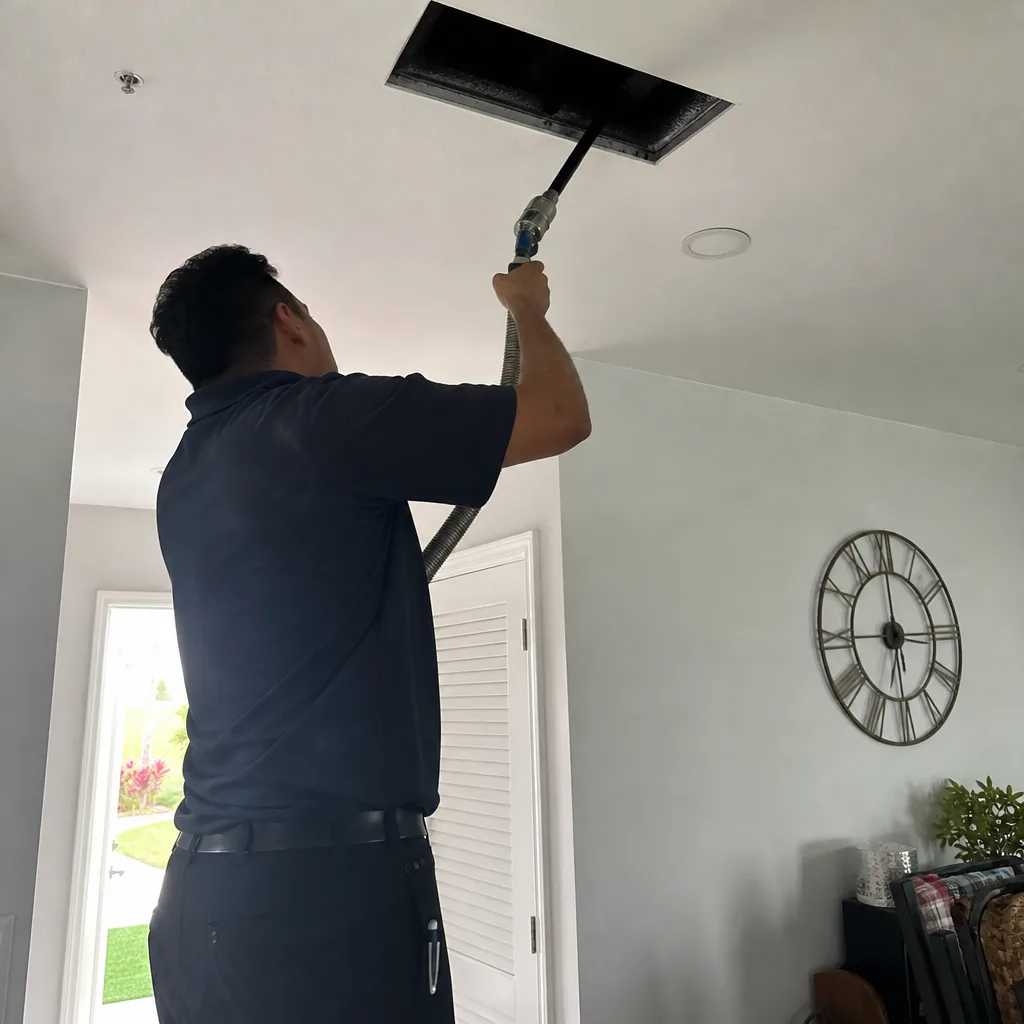
If the answer to every one of these questions is no, you’re looking at a straightforward Kestrel Air Duct Fort Lauderdale home cleaning job, and no permit is required. We use negative-air extraction, which means a Nikro unit pulls a vacuum on the system while a Rotobrush agitates debris from the duct walls. Abatement Technologies HEPA filtration keeps loosened particles out of the living space. None of that requires a permit. None of it modifies your system.
Common Mistakes to Avoid
- Letting a cleaner replace a duct section on the spot. It’s the most common unlicensed work we hear about in Fort Lauderdale. The cleaning goes fine, the patch job doesn’t. When it fails, you have no recourse because the person who did the work wasn’t licensed to do it.
- Assuming a low price means savings. A Fort Lauderdale company offering “full duct cleaning plus repairs” for $99 is doing neither. Real cleaning takes two to four hours with professional equipment. Repairs require a permit. Neither is cheap enough to bundle at that number.
- Not asking for the permit number. If a company says they’ll “handle the permit,” ask for the number. You can verify it on Fort Lauderdale’s ePermits portal. If the number doesn’t appear, the permit doesn’t exist.
- Believing the “nobody checks” line. Home inspectors check. Insurance adjusters check. Buyers’ attorneys check. In Fort Lauderdale’s real estate market, unpermitted work gets found.
- Trusting that a mold remediation quote is real. Duct cleaners are not mold remediators. If a technician tells you there’s mold in the ducts and offers to remediate it as part of the cleaning, treat that as a referral to a licensed mold assessor in Broward County, not an immediate green light.
- Skipping the permit history search before buying a home. If the previous owner did unpermitted duct work, you inherit the liability when you close. Spend the fifteen minutes on the ePermits portal before you sign.
When to Call a Professional
Call a professional duct cleaning company when your vents are visibly dusty, your allergy symptoms worsen at home, your energy bills climb without explanation, or you’ve had construction work done that left debris in the system. That’s our Air Duct Cleaning services territory, and it’s exactly what we do. Call a licensed HVAC contractor when duct sections need replacing, the air handler needs work, or you want UV equipment installed. That’s contracting, and it needs a permit. If you’re not sure which category your situation falls into, call us and ask. Kestrel Air Duct Fort Lauderdale offers free estimates in Fort Lauderdale. We’ll tell you honestly whether you need a cleaning or a contractor. Call (754) 354-9798.
Frequently Asked Questions
No. Air duct cleaning does not require a permit anywhere in Florida, including Fort Lauderdale. Cleaning is considered maintenance, not construction. No permit is required for brush agitation, negative-air extraction, or HEPA filtration of existing ducts. The permit question only arises when ducts are modified, replaced, or when equipment is installed inside the system.
Most homes in Fort Lauderdale run between $350 and $700 for a full-system air duct cleaning, depending on home size, number of returns, and accessibility. The key is to get a written price before work begins. Kestrel Air Duct Fort Lauderdale provides a written price on every job before a single vent is touched, and that price doesn’t change at the door. Call (754) 354-9798 for an exact quote.
No. A duct cleaning company without a Florida HVAC contractor’s license cannot legally replace flex duct. That work requires a licensed CAC contractor and a permit pulled through the City of Fort Lauderdale or Broward County. If a cleaning technician offers to replace duct sections, you’re dealing with someone performing unlicensed contracting work.
No. Dryer Vent Cleaning in Fort Lauderdale is a maintenance service and requires no permit. Dryer vent cleaning involves removing lint from the existing vent run. If the vent itself needs replacement, rerouting, or if the termination needs to be moved, that’s a modification that may require a permit, depending on the scope.
Run your address through the City of Fort Lauderdale ePermits portal and filter for mechanical permits. Compare what shows up against what you know about the property. If you know the AC was replaced in 2018 and no mechanical permit appears for that year, the work was likely unpermitted. This matters for insurance and resale, and it’s worth checking before you buy or sell.
Ask them to put the recommendation in writing with photos, then tell them you’ll have a licensed contractor evaluate it. If they push back or offer to “just do it fast while we’re here,” end the interaction. A legitimate Fort Lauderdale duct cleaning company will refer repair work to a licensed contractor and offer to return for a post-repair cleaning. Anything else is a red flag.
The Bottom Line
Air duct cleaning in Florida needs no permit, no license, and no inspection. That’s the simple truth. But the moment cleaning turns into modification, the law changes. Replaced ducts, altered runs, installed UV equipment, or any work inside the air handler requires a Florida-licensed contractor and a permit pulled through Fort Lauderdale or Broward County. The homeowner who understands that line keeps their insurance valid, their home sale clean, and their wallet intact. The homeowner who doesn’t learns the hard way. For more guides & resources, or if you want your ducts cleaned properly by a company that respects the line and tells you the truth about which side of it you’re on, call (754) 354-9798.
Written by Dale Whitmore, Owner at Kestrel Air Duct Fort Lauderdale, serving Fort Lauderdale since 2004.
See the difference
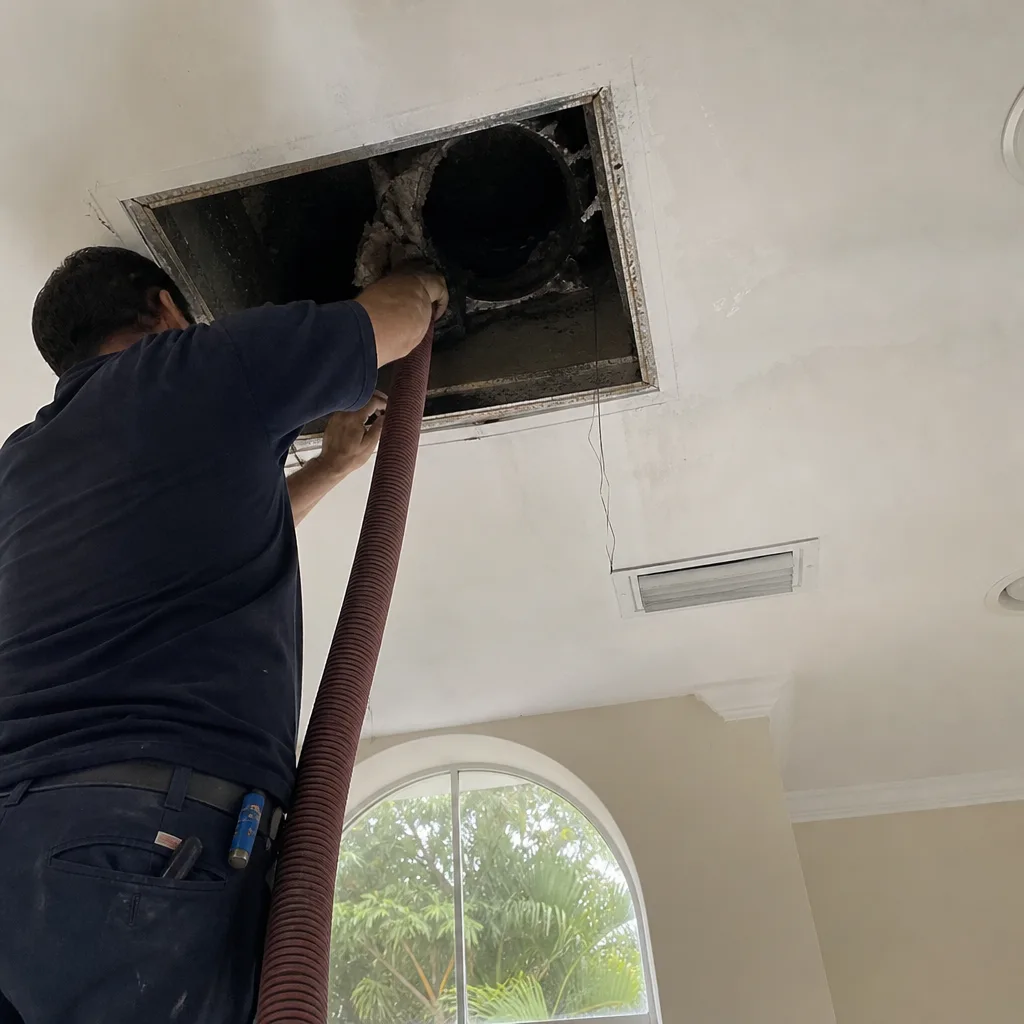 Before
 After
After Before
 After
After Before
 After
After