
Last updated October 15, 2026
 Whole-home duct cleaning
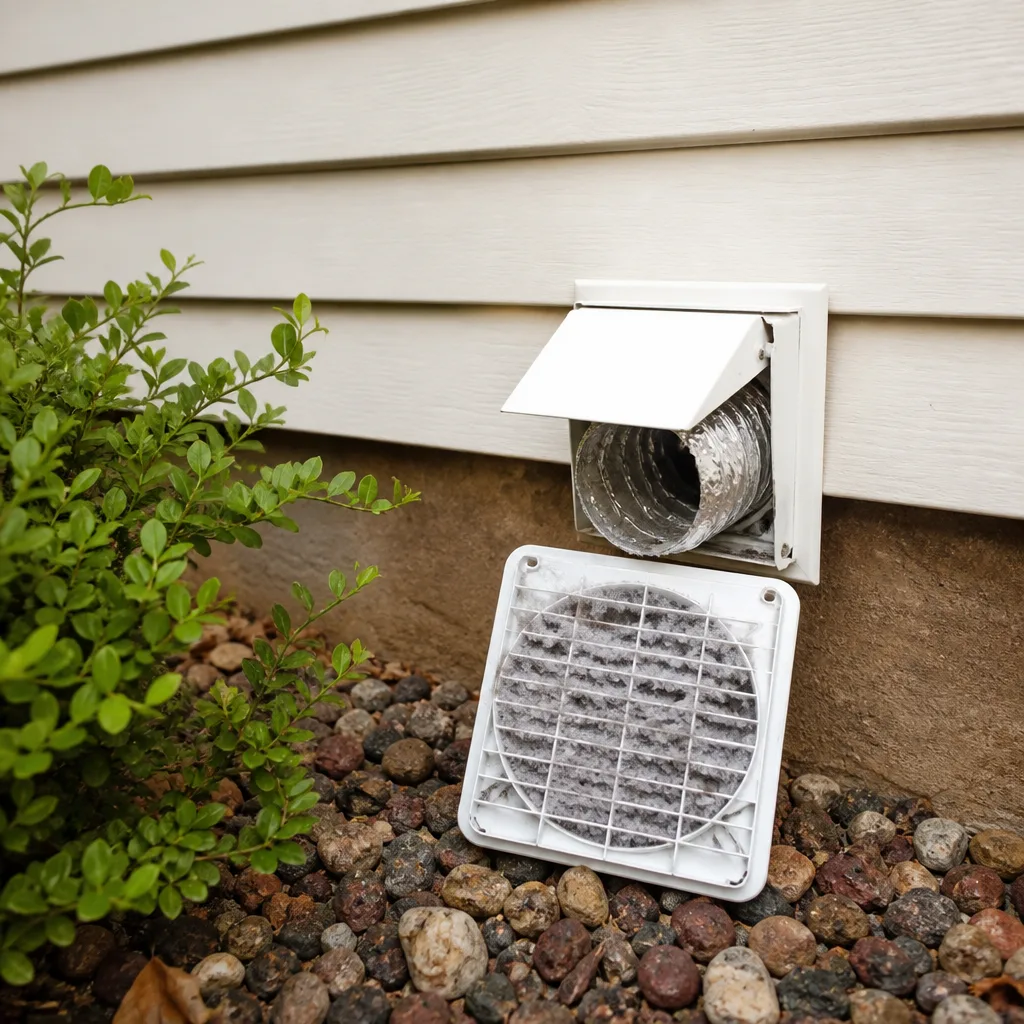 Dryer vent cleaning
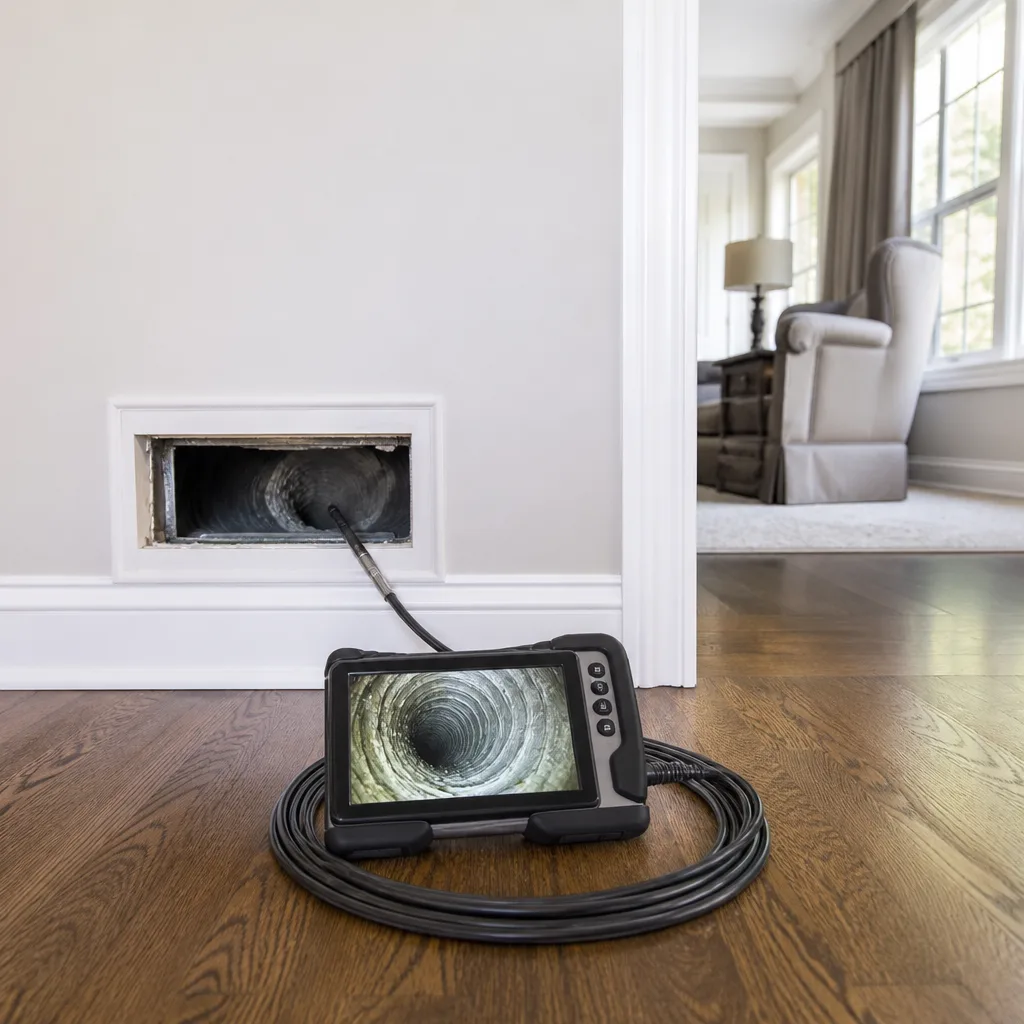 Camera inspection
 Sanitizing & deodorizing
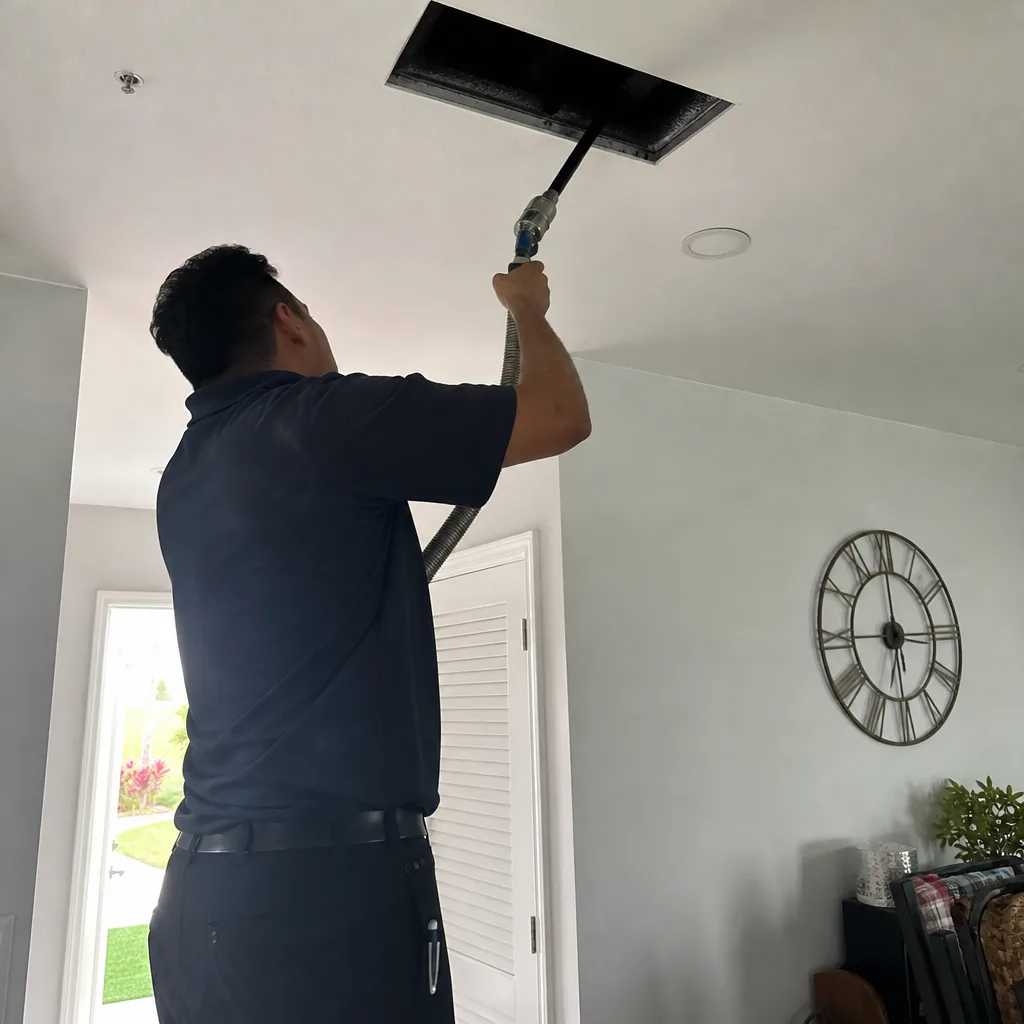
Whole-system duct and dryer vent check with before-and-after photos - you see exactly what came out of your vents
That "$99 whole-house special" is a bait ad - the real number appears once they are in your hallway, or the "clean" is a shop-vac at the register. We photograph the inside of your ducts before and after instead.
Seasonal Air Duct Cleaning Care for Fort Lauderdale: Year-Round Homeowner’s Guide
Fort Lauderdale doesn’t actually have four seasons. We have two: a wet season that runs roughly May through October and punishes your air system with humidity, mold pressure, and storm debris, and a dry season that convinces everyone the ducts are fine right before the worst months return. Ask any HVAC or duct technician in Fort Lauderdale when the worst-smelling systems show up on the schedule, and it’s not August. It’s October and November, when snowbirds come back to homes that sat sealed in 85-degree humidity for six months and the AC kicks on for the first time. This guide maps duct care to the climate calendar Fort Lauderdale actually lives by, so you can stop guessing and build a real maintenance schedule.
Quick Answer
In Fort Lauderdale, air duct cleaning should be scheduled twice a year: once in April or May before the wet season begins, and once in late October or November when snowbird homes get reoccupied after summer vacancy. The pre-wet-season cleaning matters more than any other single service because it removes the organic debris that South Florida humidity turns into mold food. If you only do one cleaning per year, make it April.
Styles & brands we work with
Table of Contents
- Why Fort Lauderdale Has Two Seasons, Not Four
- The Pre-Wet-Season Window: April Through May
- Snowbird Return Protocol: What Happens in Vacant Ducts
- Post-Hurricane Duct Protocol: Debris vs. Loose Insulation
- Dry-Season Maintenance That Costs Nothing
- Building a Two-Service-Per-Year Schedule
- Signs Your Ducts Need Attention Right Now
- Common Mistakes to Avoid
- When to Call a Professional
- Frequently Asked Questions
Why Fort Lauderdale Has Two Seasons, Not Four
Contractors and national guides love to talk about spring cleaning and fall maintenance as if the calendar works the same everywhere. It doesn’t. In Fort Lauderdale, the defining weather pattern is the wet season, which typically runs from mid-May through late October, delivering 60 to 70 percent of the year’s rainfall and keeping relative humidity above 70 percent for weeks at a time. The dry season, by contrast, stretches from November through April and is why people move here: low humidity, cool mornings, open windows.
Here’s what that means for your ductwork. Ducts are dark, mostly unvisited, and connected to a system that moves air through every room in the house. During the wet season, condensation forms on the interior of air handlers and the first few feet of supply ducting every single time the AC runs. That moisture lingers. If the ducts contain dust, pet dander, or the fine organic film that builds up in every South Florida home, you’ve just created the three things mold needs: moisture, food, and darkness.
The dry season, for all its charm, creates a different problem. Homeowners stop thinking about their air systems because the AC isn’t running as hard. That silence is deceptive. The system is still pulling air through the same ducts, and any debris that settled during the wet season is now drying into a hardened layer that’s harder to remove and more likely to flake into the air stream when the AC kicks back on at full load in May.
Think of your ducts the way you think about your home’s drainage. Fort Lauderdale homeowners check gutters and downspouts before hurricane season because they know the water is coming. The same logic applies to air systems. You prepare before the stress arrives, not after it’s already caused damage. In our experience, homeowners who schedule around the two real seasons spend less on emergency calls and notice cleaner air year-round than those who follow a generic annual recommendation.
For the deeper details on what duct cleaning actually involves, see our Air Duct Cleaning in Fort Lauderdale page.
The Pre-Wet-Season Window: April Through May
The single most valuable duct cleaning you can schedule in Fort Lauderdale happens in April or early May, before the humidity locks in for the summer. Here’s the reasoning. Six months of dry-season air has been moving through your system since late fall. Depending on how often you run the AC, your ducts have been accumulating whatever the return vents pulled in: dust, skin cells, pet hair, pollen from spring-blooming trees and grasses. None of this is unusual. What matters is what happens next.
When the wet season arrives, that accumulated debris becomes a sponge for atmospheric moisture. Fort Lauderdale’s summer humidity is aggressive. It penetrates flex duct, condenses at the supply plenum, and saturates whatever has settled in the duct lining. A cleaning in late May means you enter June with clean interior duct surfaces, which gives mold and mildew dramatically less to feed on during the most important stretch of the year.
Here’s what a pre-wet-season cleaning should include in this climate, step by step:
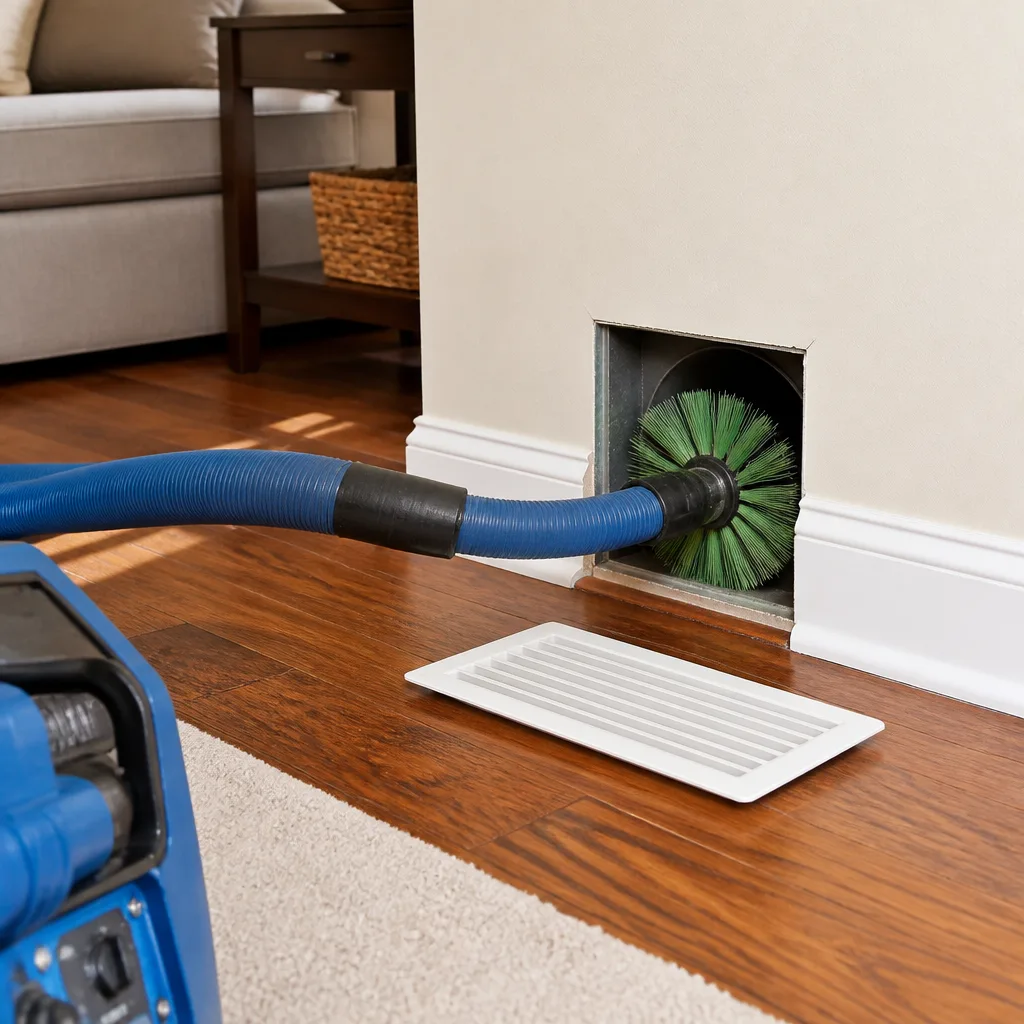
- Supply and return duct cleaning with negative-air extraction. A professional-grade vacuum unit creates continuous suction at the duct system while brush agitation dislodges debris at the duct wall. The negative air pressure pulls loosened material out of the home instead of recirculating it.
- Air handler inspection. The evaporator coil and drain pan sit in the dampest part of the system. We check for standing water, biological growth, and drain line clogs before they become a mid-July failure.
- Drain pan and condensate line check. Fort Lauderdale AC systems generate gallons of condensate daily in the summer. A slow-clogged drain line in May becomes a flooded closet or ceiling leak by August.
- Filter assessment. If you’re still using a standard one-inch fiberglass filter, this is the visit to hear honest advice about upgrading. Higher-MERV pleated filters or media cabinets from brands like Aprilaire or Guardsman can capture more of what Fort Lauderdale’s wet season stirs up, but only if your system’s static pressure can handle them.
- Post-cleaning walkthrough. A written record of what was found and what was done gives you a baseline for the next visit.
One point we make often with Fort Lauderdale homeowners: the cost of this cleaning is predictable. Most homes in Broward County run between $350 and $650 depending on system size, number of returns, and whether the air handler needs attention. For a detailed breakdown, see our Air Duct Cleaning Cost Breakdown: The Fort Lauderdale Homeowner’s Reference for 2026. That’s a flat, written price before the work starts. No per-vent math, no “while we’re in there” add-ons. The price you see is the price you pay.
Snowbird Return Protocol: What Happens in Vacant Ducts
Fort Lauderdale has one of the largest seasonal-resident populations in the country. From roughly November through April, the city fills with part-time homeowners who spend summers elsewhere. When those homeowners return in the fall, the first thing they do is turn on the AC. The second thing they do is call an air duct company because the air smells like a wet towel.
That smell is not a mystery. Here’s what happens inside a Fort Lauderdale home that sits vacant from May through October. The thermostat may be set to 80 or 82 degrees, which means the AC runs occasionally but not enough to keep the duct interiors dry. Humidity inside the home climbs to match the outdoor level, which in Fort Lauderdale summer means 75 to 90 percent. Flex duct, which most South Florida homes use extensively, has an interior liner that absorbs moisture under those conditions. The dust and organic film that were sitting harmlessly in the ducts in April are now damp for weeks at a time. By October, that combination produces the musty, sour smell that greets returning owners at the door.
Here are the inspection steps we recommend before reoccupying a snowbird property, in order:
- Run the AC for at least 24 hours. Give the system time to cycle normally and for odors to become detectable. A quick five-minute test run won’t reveal much.
- Smell the air at the supply vents. A persistent musty odor that comes from the ducts, rather than from one room, points to contamination inside the system rather than a single damp spot.
- Check the drain pan. After 24 hours of cooling, the pan should have water draining normally. Standing water that doesn’t drain means a clog that humidity made worse.
- Inspect visible return grilles and nearby surfaces. Any visible dark spotting or accumulated gray fuzz near returns suggests what’s deeper in the ducts.
- Schedule a professional duct inspection and cleaning. If any of the above flags appear, the system needs attention before the home is occupied full-time. Even if everything looks clean, a post-vacancy cleaning removes the humid-season accumulation the eye can’t see.
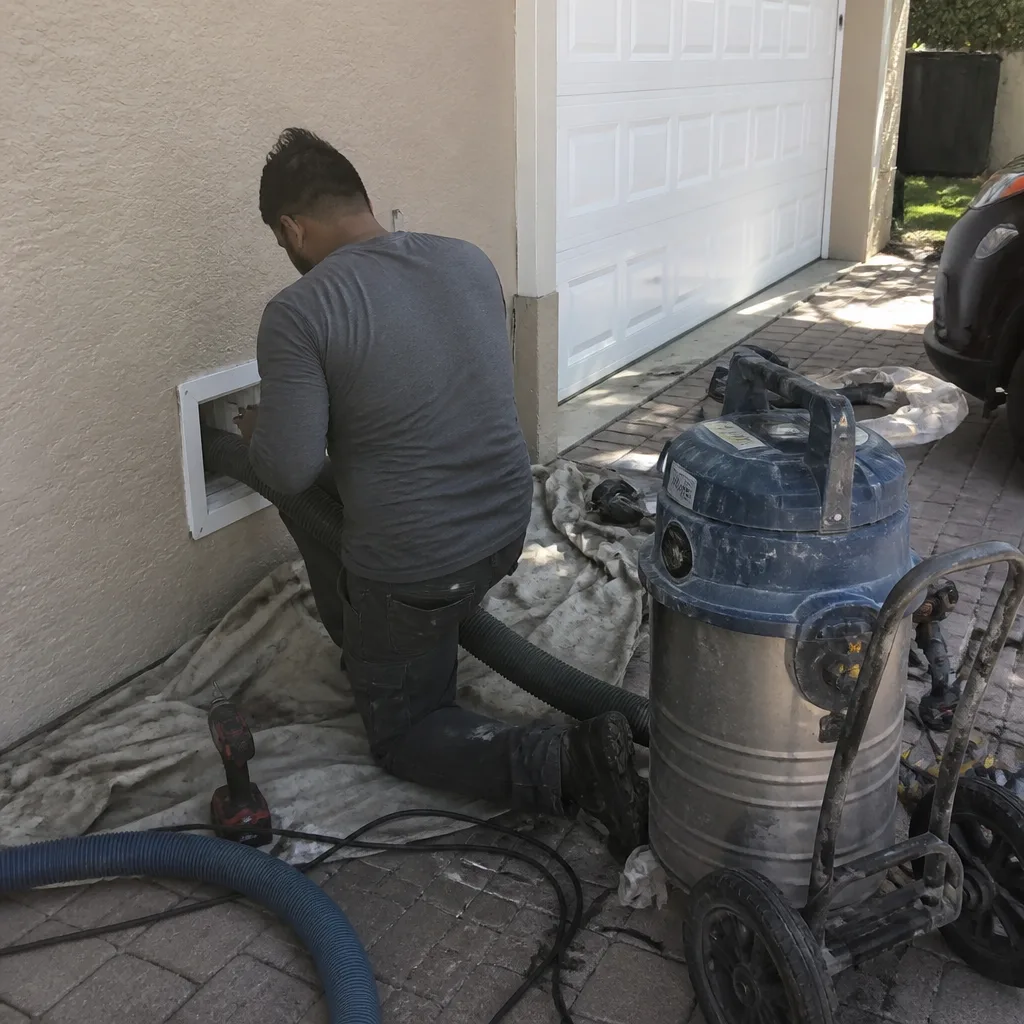
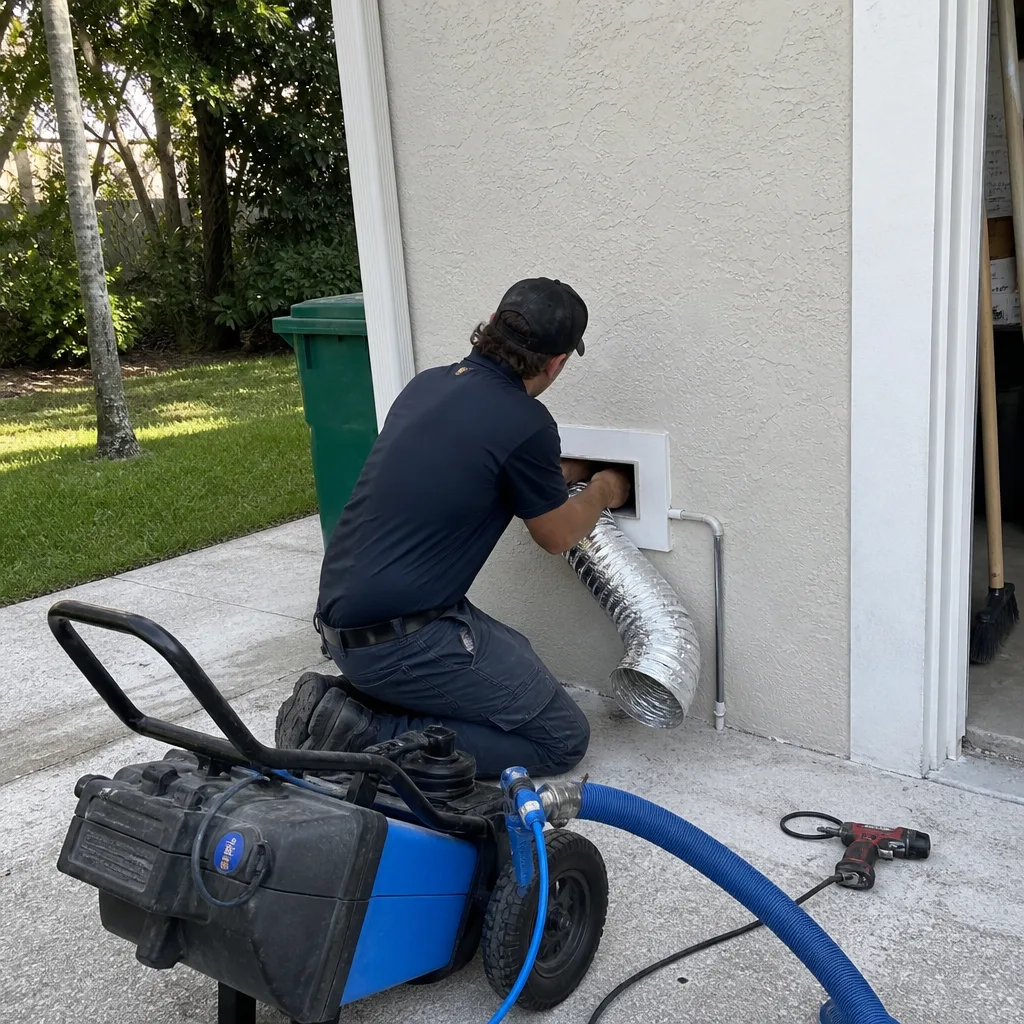
This is also the right moment to think about Dryer Vent Cleaning in Fort Lauderdale. A dryer vent that sat unused through a humid South Florida summer can collect lint that’s damp, compacted, and more likely to catch fire. Lint is combustible, and a clogged dryer vent is the leading structural fire cause tied to dryers. A vent cleaning takes about an hour and should happen annually, especially before holiday laundry season begins.
Post-Hurricane Duct Protocol: Debris vs. Loose Insulation
Anyone who has lived through a Fort Lauderdale hurricane season knows the routine: hurricane shutters go up, the power flickers, the storm passes, and then the cleanup begins. What most homeowners don’t think about after a storm is what happened inside their ductwork while the wind was pounding the house.
There are two distinct post-hurricane scenarios, and they require different responses.
Scenario One: Debris Intrusion
If your home took roof damage, window damage, or any breach that allowed storm water or wind-driven debris into the living space, the ducts need professional attention. Rainwater entering ceiling cavities or attic spaces flows through penetrations around registers and plenums, carrying insulation particles, drywall dust, and whatever else it picks up. That material settles in the low points of flex duct runs and becomes a contamination source every time the AC runs.
This requires immediate cleaning before the system runs again. Running the AC with visible water intrusion or debris in the ductwork forces that contamination through the living space and deeper into the system. Shut the system down, document the damage for insurance, and schedule a full duct cleaning that includes both supply and return sides.
Scenario Two: Vibration-Loosened Insulation
This is the subtler one. High winds shake a house in ways it never moves under normal conditions. Duct tape at joints loosens. Flex connections slip. Interior duct liner or external insulation can separate from the duct body. The ducts may look fine from the outside, but inside there’s a different story.
The right first step here is not an immediate cleaning. It’s a camera inspection. Modern duct inspection cameras fit through a register opening and give the technician a clear view of the duct interior: alignment and seal integrity, liner condition, and whether insulation particles are actually present. If the inspection shows intact ducts with no contamination, you don’t need a cleaning and an honest company will tell you so. If it shows separated liner or debris, you’ll know exactly where the problem is before any cleaning equipment goes in.
The distinction matters because cleaning a duct that has loose liner or failing connections can make the problem worse. Agitation against a compromised surface can accelerate separation. In Fort Lauderdale, where hurricanes and tropical storms are recurring facts of life, this is not a theoretical concern. We’ve inspected plenty of systems after storms in neighborhoods from Victoria Park to Imperial Point where the damage was invisible from the register but unmistakable on camera.
Dry-Season Maintenance That Costs Nothing
Not every duct care task requires a service call. The dry season, roughly November through April, is the best time for Fort Lauderdale homeowners to do the maintenance that protects the system heading into the next wet season. These are all tasks you can do yourself, and they cost little or nothing.
- Check and clean the drain pan monthly. Your air handler has a drain pan that catches condensate from the evaporator coil. In the dry season, the system isn’t producing as much water, so sludge and mineral deposits have time to harden. Pour a cup of white vinegar into the condensate line every month to keep the line clear. This simple habit prevents the most common AC failure we see in Fort Lauderdale homes: a clogged condensate line backing up into the air handler.
- Change or upgrade your filter on schedule. Standard one-inch filters should be changed every 30 to 60 days depending on pets, household size, and how often the system runs. If you have a media cabinet or electrostatic filter, follow the manufacturer’s interval. Upgrading to a better filter, including options from Honeywell or Guardsman, is a dry-season decision because the system isn’t under summer load and can be evaluated calmly.
- Replace UV bulbs annually if your system has them. UV-C bulbs lose germicidal effectiveness over time even though they still glow. A bulb that’s been in place for 12 months is no longer doing meaningful work against mold and bacteria. The dry season is the right time to swap it, before the humidity arrives.
- Vacuum return grilles and supply registers. A vacuum with a brush attachment takes five minutes and removes surface dust before it’s pulled into the system. Do this every month.
- Inspect visible duct runs. In homes with exposed ductwork in garages, attics, or utility closets, visually check for sagging, kinked flex, separated joints, and any sign that rodents have chewed an opening. Rodents love dry-season attic spaces, and a single squirrel entry means the return system starts pulling in attic air, insulation, and droppings.
None of these tasks replace a professional cleaning, but they stretch the value of every cleaning you do pay for. A Fort Lauderdale homeowner who handles these basics between visits will see the benefit in lower utility bills, better airflow, and air that doesn’t smell like last summer.
If you want a more detailed walkthrough of what professional cleaning involves, the Kestrel Air Duct Fort Lauderdale home page covers our process step by step.
Building a Two-Service-Per-Year Schedule
The clearest way to keep Fort Lauderdale ducts healthy is to commit to two services per year, mapped to the calendar. Here’s the schedule we recommend and the reasoning behind each timing.
Service One: April or May – Pre-Wet-Season Duct Cleaning
This is the big one. It removes dry-season accumulation before summer humidity turns it into a biological problem. It also gives your technician a chance to check the air handler, drain pan, and condensate line before they’re under maximum summer load. If anything needs attention, it gets handled in April at your convenience, not in August as an emergency call.
Service Two: Late October or November – Post-Wet-Season or Snowbird-Return Cleaning
If you live in Fort Lauderdale year-round, this visit clears out the debris that accumulated during six months of heavy AC use. If you leave for the summer, this is the reoccupancy cleaning that makes the house smell like a home instead of a wet towel. Either way, the system enters the dry season clean and ready for the cycle to repeat.
Some homes need more frequent attention. Factors that push toward three or four cleanings per year include:
- Households with multiple shedding pets
- Older homes with original ductwork that’s never been replaced
- Proximity to construction sites, which generate fine dust that finds its way into return air
- Any history of water intrusion, whether from hurricanes, roof leaks, or plumbing failures
- Residents with asthma, allergies, or other respiratory conditions
The two-service schedule costs more per year than the once-a-year routine, but it’s not twice as expensive. The second visit is typically shorter because the system hasn’t had twelve full months to accumulate debris. Most importantly, it aligns your maintenance with the actual conditions your ducts face. Fort Lauderdale’s climate doesn’t care about an annual recommendation that was written for Ohio.
Signs Your Ducts Need Attention Right Now
You don’t need to wait for the calendar to tell you something’s wrong. These are the signs that should trigger a duct inspection in Fort Lauderdale immediately, regardless of season.
- Musty or sour odor from supply vents. That’s the signature of moisture and biological growth inside the system. In Fort Lauderdale’s humidity, this smell rarely resolves itself.
- Visible mold around registers or on nearby walls. If you can see it at the vent face, there’s almost certainly more behind the register.
- Excess dust on furniture days after cleaning. When dust reappears quickly on all surfaces regardless of room use, the system may be circulating dust from inside the ducts rather than pulling in fresh air from the return.
- Uneven room temperatures. A duct that’s heavily restricted by debris can starve a room of conditioned air. If one bedroom is always five degrees warmer, suspect the duct run feeding it.
- Higher electric bills with no change in usage. A clogged system works harder to move the same amount of air. FPL bills don’t lie.
- Rodent signs in the attic. Droppings, chewed insulation, or scratching sounds at night mean your duct system may have been compromised. This is a specific South Florida problem that needs immediate attention, not just for duct cleanliness but for the health of anyone breathing that air.
Any single sign is worth a phone call. Multiple signs mean the system should be inspected before it runs much longer.
Common Mistakes to Avoid
- Waiting until August to clean the ducts. By mid-summer, the damage is already happening. Cleaning in August is better than never, but it doesn’t undo the humid months of accumulation.
- Believing a sealed home means sealed ducts. Homes in Fort Lauderdale are built tight for hurricane protection, but duct systems develop leaks over time from vibration, thermal expansion, and simple age. Sealed living space doesn’t equal sealed ductwork.
- Using a shop vac instead of professional equipment. A shop vac can’t generate the negative pressure needed to pull debris from the full length of a duct run. You’ll clean the first three feet and leave everything else untouched. Professional equipment from companies like Rotobrush and Nikro is built for this exact job, creating continuous negative pressure that extracts debris without releasing it into your living room.
- Skipping the dryer vent because you clean the ducts. They’re separate systems with separate failure modes. A clean air duct system does nothing for a clogged dryer vent, and vice versa.
- Trusting any quote that arrives by phone without an inspection. A real duct cleaning company doesn’t quote a price without knowing the size of your system, the number of returns, the condition of the ductwork, and the accessibility of the air handler. Phone quotes that sound too good to be true are usually the bait-and-switch model: get the technician to the driveway, then discover “additional issues” that triple the price.
- Assuming a new home has clean ducts. New construction and renovation in South Florida introduce drywall dust, sawdust, and construction debris into duct systems, especially if the builder ran the AC during construction. Even a newly built Fort Lauderdale home benefits from a post-construction duct cleaning.
When to Call a Professional
Some duct work is a DIY project. Replacing a filter, vacuuming a register, pouring vinegar into a condensate line: those are homeowner tasks. But actual duct cleaning is not. The equipment required to do it properly includes negative-pressure extraction units and rotary brush systems that don’t belong in a homeowner’s garage. Add the Florida humidity factor and the stakes get higher: what you don’t extract in this climate grows back.
Call a professional when you notice persistent musty odors, when you return to a home that’s been vacant through a Fort Lauderdale summer, when your system has been through a hurricane or major storm, or when anyone in the household has respiratory issues that worsen indoors. Kestrel Air Duct Fort Lauderdale offers free estimates in Fort Lauderdale – call (754) 354-9798. The written price we provide is the price you pay, before any work begins. No bait-and-switch, no door-step revisions.
Frequently Asked Questions
Most Fort Lauderdale homes run between $350 and $650 for a complete supply-and-return duct cleaning, depending on the size of the system, the number of returns, and the condition of the air handler. That’s a whole-system price, not a per-vent price. We provide it in writing before any work starts, and that’s the price you pay. Call (754) 354-9798 for a free estimate specific to your home.
Twice a year: once in April or May before the wet season, and once in late October or November after the wet season ends. Fort Lauderdale’s humidity cycle makes a two-service schedule more appropriate than the generic once-a-year advice written for drier climates.
Your home sat sealed in 75 to 90 percent humidity for months. The AC ran just enough to keep the thermostat from tripping, but not enough to keep duct interiors dry. Dust and organic film inside the ducts absorbed that moisture and created the musty smell you notice when you turn the system on. A professional cleaning removes the contaminated material; the smell doesn’t go away on its own. Call (754) 354-9798 for an estimate before you settle back in.
No. Homeowner tools don’t generate the negative pressure needed to pull debris from the full length of a duct run. What you can do yourself: change filters on schedule, vacuum registers, pour vinegar into the condensate line monthly, and visually inspect exposed ductwork. Leave the actual cleaning to professional equipment, including the negative-air extraction and brush agitation systems our technicians use.
They’re separate systems. Air duct cleaning addresses the supply and return ducts that move conditioned air through your home. Dryer vent cleaning addresses the exhaust duct that carries hot, lint-filled air from your dryer to the outside. Both matter in Fort Lauderdale: the air ducts for indoor air quality, the dryer vent for fire prevention. We offer both services under the same written-price, written-guarantee standard.
You should receive before-and-after documentation, including photos from inside the ducts. Our technicians use camera inspection before and after each cleaning so you can see the condition of the ductwork with your own eyes. You’ll also get a written report of what was found and what was done. If anything falls short within 365 days, we return and make it right at no charge. That’s the 365-Day Done Right Promise, and it’s in writing on every job.
The Bottom Line
Fort Lauderdale’s calendar doesn’t follow the national pattern, and your duct care shouldn’t either. The wet season from May through October is when humidity turns ordinary duct dust into a biological problem. The dry season from November through April is when problems hide. The solution is a two-service-per-year schedule mapped to the climate, plus the no-cost maintenance that keeps the system healthy between cleanings. For more guides & resources on protecting your home’s air quality, visit our blog. Every job we do at Kestrel Air Duct Fort Lauderdale comes with a written price before work starts and a 365-Day Done Right Promise in writing. Call (754) 354-9798 for a free estimate. We’ll tell you what you need, what it costs, and we’ll put it in writing.
Written by Dale Whitmore, Owner at Kestrel Air Duct Fort Lauderdale, serving Fort Lauderdale since 2004.
See the difference
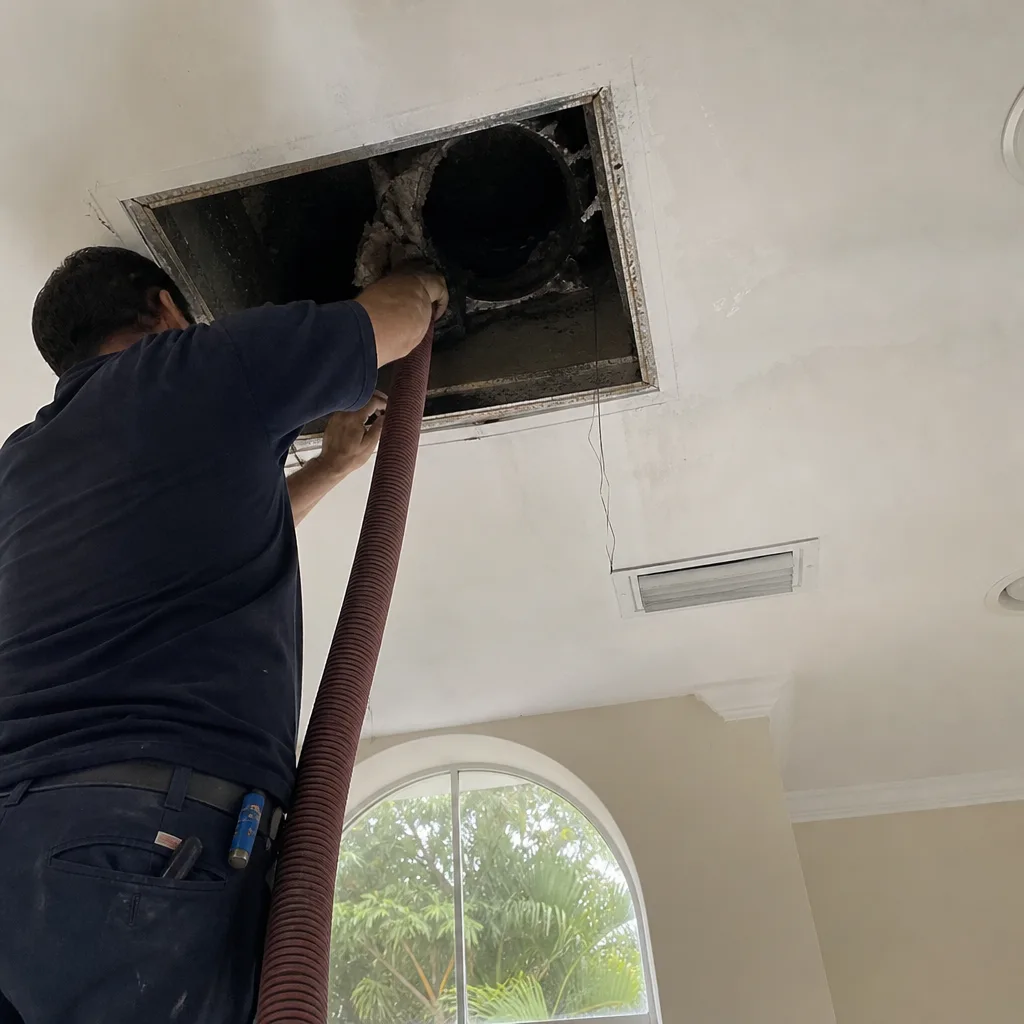 Before
 After
After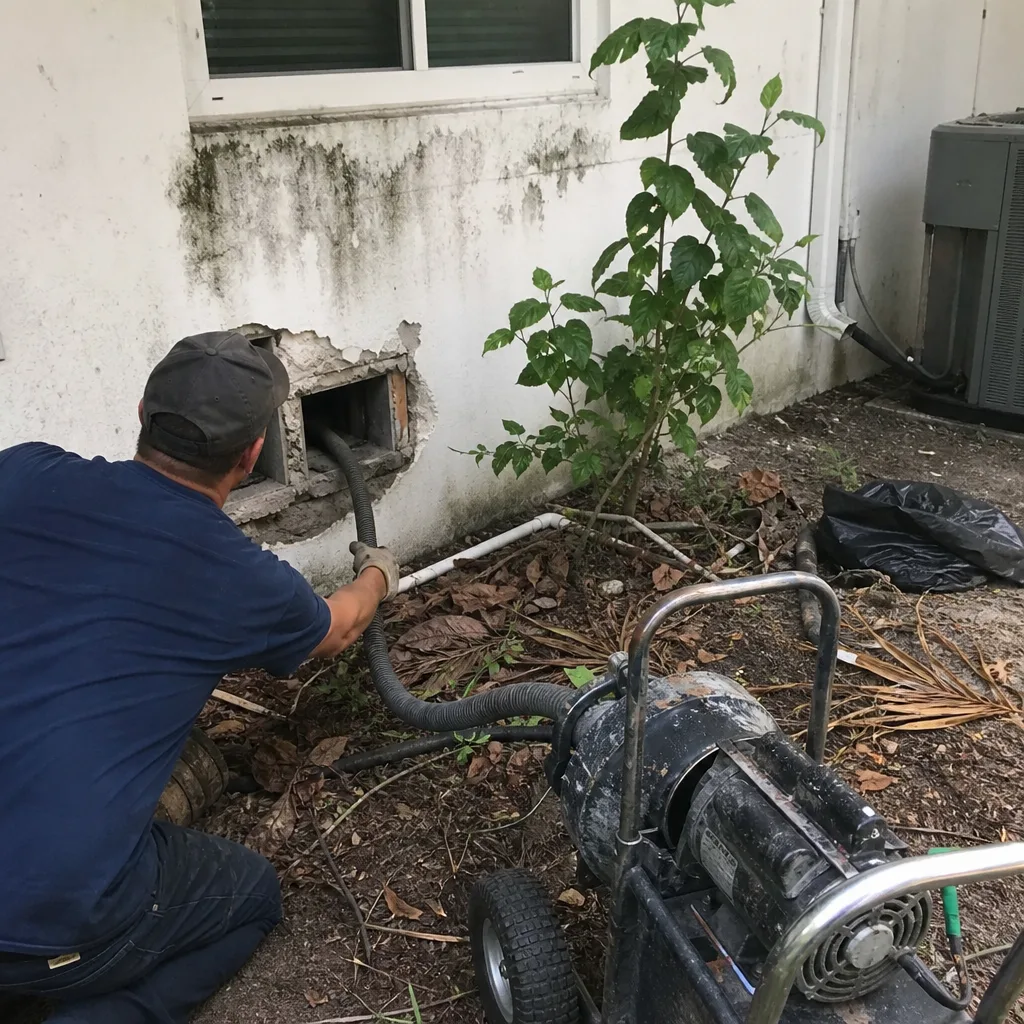 Before
 After
After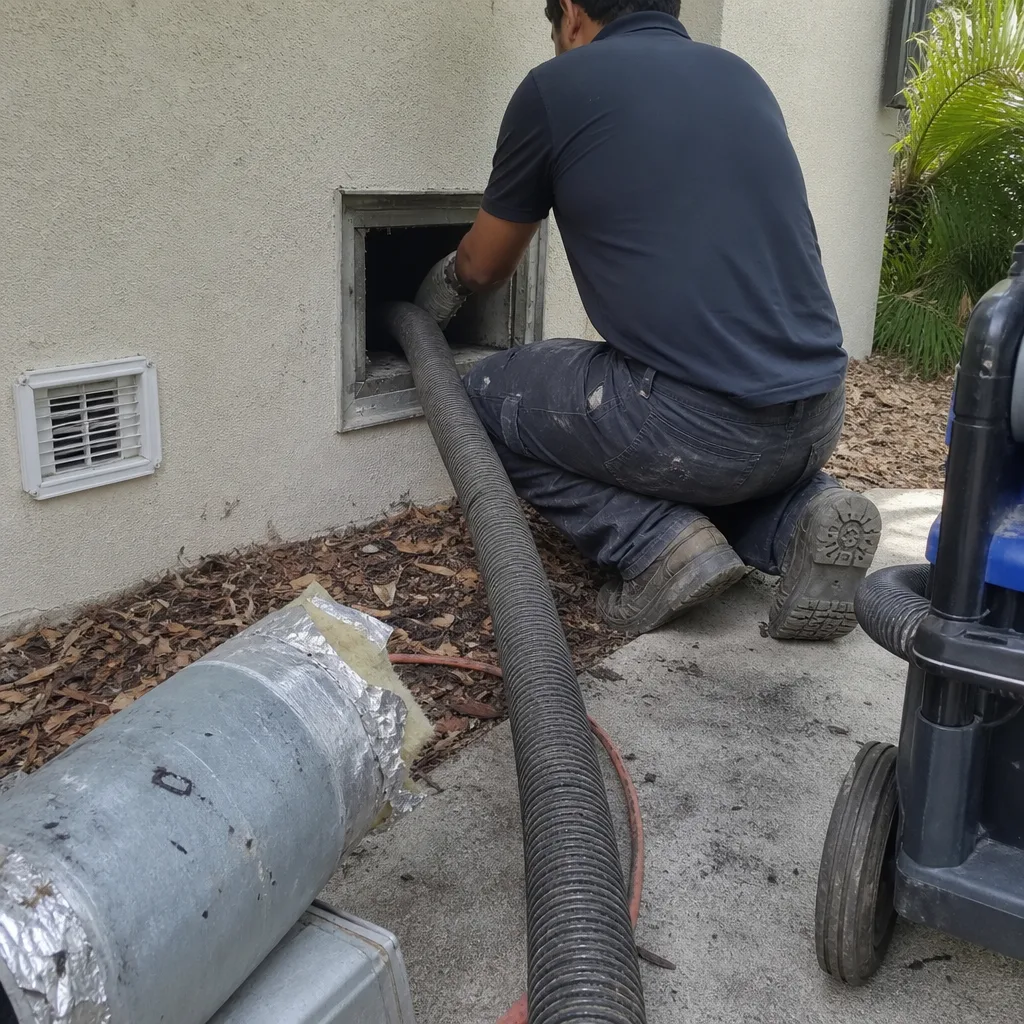 Before
 After
After